
Bangkok feels different when you ride the waterways. This 6-hour small-group tour strings together tuk-tuk hops, big temple moments, and a longtail boat ride that turns the city into something you can see and smell up close. I especially like the seasoning fruit tastings at a local market and the making-merit stops that explain why people bow, offer, and pray. The trade-off is time and walking, so plan for a full day on your feet.
I think the best part is the guide, often Yuri (spelled Yui in some bookings), who keeps the day organized from the MRT meetup through Thonburi. You get the why behind what you are seeing, and the pace stays relaxed even when you are bouncing between neighborhoods.
If you like street food, the route finishes in Chinatown with time to grab lunch and keep exploring after the tour. This is not a great fit for pregnant women or people with back problems, since the itinerary includes walking and getting in and out of tuk-tuks.
Quick hits on what makes this tour worth your time
- Seasoning fruit tastings at a local fresh market, plus snack-style stops along the way
- Wat Khun Chan with a reclining Buddha image and a Phra Rahu scene where you make merit
- Longtail boat ride that connects you to Bangkok and Thonburi canal life
- Khlong Bang Luang artist houses and heritage-style canal-town atmosphere
- Chinatown lunch time, with one stop that has been described as a Michelin-starred street food experience
- Small-group energy with a guide who helps with temple-appropriate clothing and practical comfort
Price and what you get for $32 in Bangkok
At $32 per person for a 6-hour outing, this tour is priced like a practical Bangkok day, not a premium full-service event. What makes it feel fair is that you are not only paying for sightseeing, you are also covering transport and temple access.
The price includes an English-speaking guide, a professional tuk-tuk driver, indigenous snack and seasoning fruit taste, entrance fees, drinking water, and insurance. Tips are optional, and extra drinks are on you, so it is smart to bring cash or plan to pay for drinks separately.
When you break it down, you are getting a bundle: tuk-tuk rides plus a longtail boat plus multiple temple and market stops. If you tried to do this alone, you would still be paying for transport, entry tickets, and the time cost of figuring out routes and timing.
Buzz the backstreets, more tuk tuk runs
- Bangkok by Night: Temples, Markets and Food Tuk-Tuk Tour
★ 5.0 · 3,752 reviews - Bangkok: Michelin Guide Street Food Tour by Tuk Tuk
★ 4.4 · 1,274 reviews - Bangkok: Guided Tour in a Typical Thai Tuk-Tuk
★ 4.7 · 830 reviews
MRT Itsaraphap EXIT 2 meetup and how the day stays organized
You meet at the MRT Blue line at Itsaraphap station, EXIT 2 (soi23). The instructions ask you to arrive about 15 minutes early, which is the right move in Bangkok because lines form fast and tuk-tuk loading takes a moment.
From there, the day is structured in short legs: a tuk-tuk hop here, a temple visit there, then some on-foot time, followed by boat time and more city walking. That rhythm matters because it prevents the day from feeling like one long grind in a van.
The tour ends at Wat Mangkon. That is useful because it leaves you in a convenient area to keep eating and walking, especially if you want more street food after lunch.
Tuk-tuk rides plus Thonburi water life, not just temple selfies
One big reason this tour works is the mix. You are not doing only temples, and you are not doing only markets, either. You ride through Bangkok and then cross into Thonburi’s canal-side feel, so the city makes sense as a water city, not just a land city with rivers nearby.
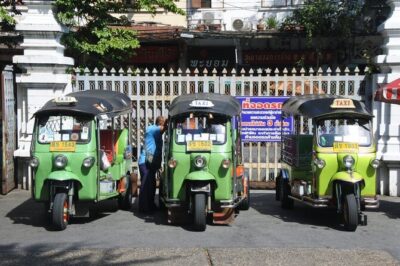
The tuk-tuk part is fun, but it also sets expectations. You will be in and out of the vehicle more than once, and it is part of the experience. That is why comfortable shoes are such a big deal here, because even if rides are short, you will still be walking.
The boat segment is the payoff for many people. A longtail boat ride is the moment where Bangkok’s waterways stop being scenery and start being the route itself.
Wat Khun Chan: reclining Buddha, Phra Rahu figure, and merit-making
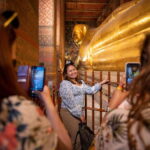
Wat Khun Chan is where the tour turns from sightseeing into participation. You spend about an hour here, and it is focused on two standout religious scenes: a reclining Buddha image and Phra Rahu.
Phra Rahu is a popular figure in Thai Buddhist and folk practice, and this stop includes time for offering and making merit. That changes the feel of the day. You are not just looking at details, you are learning what people are doing and why they do it.
A practical note: the guide helps with temple-appropriate clothing and general comfort. That came up in feedback more than once, and it matters because you do not want to spend your day worrying about what to wear or whether your shoulders, legs, or bags are going to cause issues.
If you like temples for the human side, not only the architecture, this is one of the best stops. You get a clearer sense of how belief shows up in daily rituals.
Deeper into old Bangkok
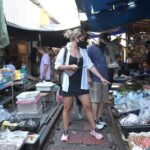
Wat Paknam Phasi Charoen: the biggest Buddha and the Thonburi museum
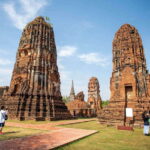
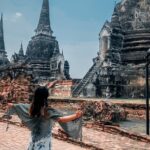
Next up is Wat Paknam Phasi Charoen, with about an hour on site. This place is described as one of the oldest temple sites since the Ayutthaya period, and that gives you a sense of historical depth without turning the day into a museum lecture.
The highlight is the biggest Buddha image in the area, plus a museum component. Even if you are not a serious temple scholar, the museum time helps you connect the visuals in the main temple spaces to objects, meaning, and context.
One trade-off to consider: museum time tends to add some sitting and slower pacing. If you know you get restless in enclosed spaces, wear a bit of patience here and use it as a calmer break between tuk-tuk and boat segments.
Khlong Bang Luang artist houses and the canal-town feeling
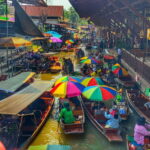
Khlong Bang Luang is where the tour leans into local character. You visit the floating market area and see heritage-style houses and artist houses, with about an hour allocated here.
This stop is valuable because it is not just temples and food. It shows a different Bangkok rhythm, the kind shaped by canals and community life. You get the feeling of a place that has regular artists, regular neighbors, and regular visitors, rather than only one big tourist circuit.
The longer you sit with this part of the day, the more it clicks. You start to see why the longtail boat ride is worth the time, because you are already positioned in the right canal context.
Longtail boat ride: the water connection that makes the day click
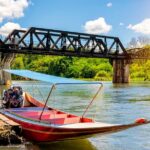
After Khlong Bang Luang, you take a longtail boat ride for about 30 minutes. This is not a quick photo pass. The time is long enough for you to notice how the canal edges, housefronts, and daily movement relate to one another.
This segment is also where the tour earns its cultural label. Bangkok’s water life is not just about famous landmarks. It is about the practical day-to-day relationship between homes, shops, and the river routes that move people and goods.
If you get motion sick easily, you might want to prepare, since longtail boats can feel bouncy. The good news is that the ride is limited to a half-hour.
Flower market, Songwad Road photo stop, then Chinatown street food
After the boat ride, the tour shifts back to land with a flower market stop, then a short photo-focused stop on Songwad Road. The flower market gives you a sensory reset. The Songwad Road time is shorter, about 30 minutes, and it is clearly aimed at the modern street-scene photo vibe.
Then you head into Chinatown for exploration and lunch. Chinatown is the kind of neighborhood where having a plan matters, because there are so many snack options that it is easy to spend all your energy deciding.
The tour also includes an impressive food angle. In feedback, people highlighted a stop described as a Michelin-starred street food restaurant, which is a fun contrast to the usual “temples and markets only” Bangkok pattern.
The tour ends at Wat Mangkon, but the day does not have to end there. After the tour, you can keep going with food in the Chinatown area or grab a drink around Nana China Road, as some guides and schedules suggest as an easy follow-on.
One practical thing: extra drinks are not included, so it is smart to budget for water, soda, juice, or anything alcoholic you might want later, since the tour itself does not allow alcohol during the activities.
What making merit and offering feels like on the ground
This tour includes making merit and offering things as part of the temple experience. That is one of the most praised parts because it adds meaning, not only visuals.
In plain terms, it helps you understand that temple visits are often active participation for locals, not only sightseeing for visitors. You watch, you follow the guide’s lead, and you get a better read on how people structure their respect and intention.
It also supports the tour’s “local Bangkok” goal. Instead of a checklist, you are learning how devotion shows up in routines. Even if you do not share the faith, you walk away with more context than you would from a quick temple pass.
Temple visits without the stress: clothing, walking, and comfort
The route is a day with real movement. You will do tuk-tuk rides, on-foot walking, and temple time in between, plus the longtail boat. That means your comfort setup matters.
Bring comfortable shoes. That is not just a polite suggestion here, it is the difference between enjoying the day and feeling worn out by mid-afternoon. Also remember that this tour is not suitable for pregnant women or people with back problems.
In feedback, people also mentioned the guide helping with practical comfort like temple-appropriate clothing, and even things like umbrellas and fans. That kind of preparation is one reason small-group tours feel smoother than DIY days.
Food and fruit tastings you can time with the rest of the day
If you like food, this tour is built for you. It starts building taste curiosity early with indigenous snacks and a seasoning fruit tasting at a local fresh market.
Later, Chinatown lunch gives you freedom to choose, but you are already in the right mindset because the day has trained your palate. You also get variety, from market-style fruit and snack tasting to the big street-food energy in Chinatown.
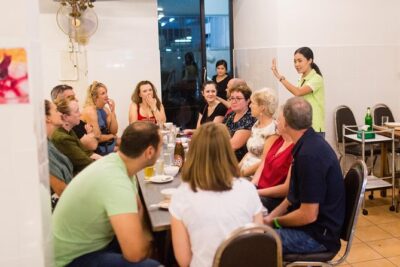
One more point that came through in feedback: the guide makes the tasting and food stops feel relaxed. You are not rushed, and the day keeps moving, but you still get time to try things and ask questions.
Families, guide style, and the small-group advantage
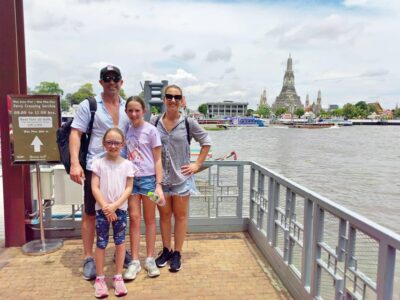
This tour tends to work well for families. One review mentioned it was a fun day for kids aged 9 and 11, and another mentioned a 7-year-old. That suggests the day is not just a slow crawl through temples. It has transport variety, market interest, and enough movement to keep younger attention spans engaged.
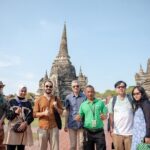
The guide style is a key reason people give high ratings. Several comments praised Yuri or Yui for being warm and enthusiastic, creating a relaxed atmosphere, and explaining context instead of just reciting facts. People also appreciated that the day feels organized and covered, which is what you want when you are mixing temples, waterways, and street food in one go.
Small-group size also helps. With fewer people, you get more breathing room at each stop and less feeling of being herded.
Should you book the Bangkok tuk-tuk and water cultural tour?
Book this tour if you want a Bangkok day that combines tuk-tuk rides, temple meaning, canal life, and a real food payoff. The longtail boat ride plus the Thonburi focus are the moments that change how you see the city, and the market and fruit tastings add a local flavor you cannot fake with a quick guidebook stop.
I would skip it if you have back issues or you are pregnant, because the day involves walking and getting around in tuk-tuks. Also, if you do not like long days, remember this is a 6-hour schedule with several transitions.
If English is your preference, the tour runs with an English live guide. And if you want a day that feels like Bangkok from the inside, this route does that by mixing big landmarks like the biggest Buddha image with neighborhoods and canal-focused stops where everyday life is the point.
FAQ
Where is the meeting point for this tour?
You meet at MRT Itsaraphap station, EXIT 2 (soi23). Plan to arrive about 15 minutes early.
How long is the tour?
The tour lasts 6 hours.
What is included in the price?
Included are a friendly English tour guide, a professional tuk-tuk driver, indigenous snack and seasoning fruit, longtail boat riding, entrance fee tickets, drinking water, and insurance.
What is not included?
Extra drinks are not included.
Is alcohol allowed during the tour?
No, alcohol and drugs are not allowed.
What should I bring?
Wear comfortable shoes.
How large is the group?
The tour is a small group, with a maximum group size of 8 participants.
What is the tour language?
The live tour guide speaks English.
Where does the tour end?
The tour ends at Wat Mangkon.
Who should avoid booking this tour?
It is not suitable for pregnant women or people with back problems.
More Tours in Bangkok
More Tour Reviews in Bangkok

Around the City by Tuk Tuk

Just In: Fresh Bangkok Reviews
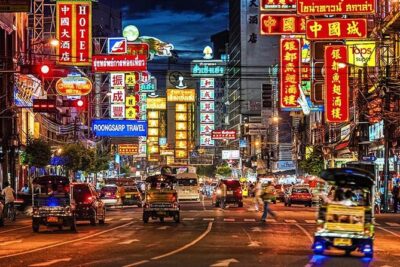
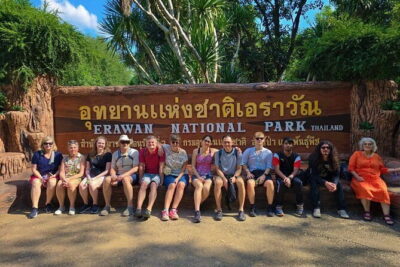
Tuk Tuk Tours, compared.
 ★ 5.0Bangkok by Night: Temples, Markets and Food Tuk-Tuk TourFrom $793,752 reviews
 ★ 5.0Bangkok Midnight Food Tuk Tuk TourFrom $812,542 reviews
 ★ 4.4Michelin Guide Street Food Tour by Tuk TukFrom $201,274 reviews
Experience Bangkok with typical Thai tuk-tukFrom $28917 reviews
★ 4.4Michelin Guide Street Food Tour by Tuk TukFrom $201,274 reviews
Experience Bangkok with typical Thai tuk-tukFrom $28917 reviews
 ★ 4.7Guided Tour in a Typical Thai Tuk-TukFrom $28830 reviews
 ★ 4.3Tuk Tuk Adventure Chinatown Michelin Food & TemplesFrom $18725 reviews
 ★ 4.6Evening Tour with Wat Arun, Wat Pho & Tuk Tuk RideFrom $41701 reviews
 ★ 5.0Bangkok Tuk-Tuk Tour by Night with Chinatown Street Food MealFrom $40635 reviews
Browse the lists this tour appears in