
Review · THAI COOKING CLASSES
Thai Cooking Class with Market Visit by Maliwan
Thai cooking starts at the market. You head out by tuk-tuk to pick fresh ingredients, then return to cook classic Thai dishes with close instruction for your group. I love how practical it is, because you are not just eating, you are learning what to buy, why it matters, and how to recreate flavors later.
The payoff is the small-group format (up to 7 people), which makes it easier to get help when you are chopping, stirring, and asking the obvious questions. One thing to consider: it is hands-on and the market area can be wet and muddy, so you need timing focus and sturdy closed shoes you do not mind getting dirty.
Key highlights
- Tuk-tuk market run to select ingredients firsthand instead of guessing from a supermarket shelf
- Up to 7 people means more personal attention at the stove, not a crowd-line experience
- Classic recipes with customization so you can tune spice and taste like you actually cook at home
- Printed recipes plus an e-certificate so you can repeat dishes later, not just remember them
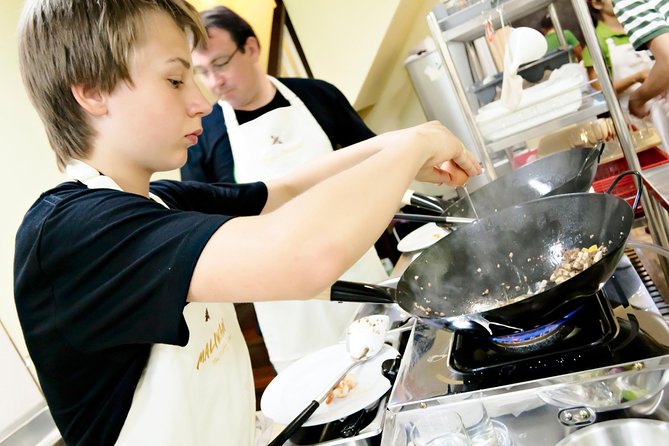
- Hands-on cooking at your own station with ingredients and equipment handled for you
- Dietary flexibility with notice when you inform the team early during booking
From Tuk-Tuk to Tasting: Why This Class Feels Local
This Thai cooking class works because it starts in the real rhythm of Bangkok food: the market. You do not just hear about ingredients, you walk the stalls, see what looks fresh, and learn how vendors think when they stock their wares. Then you translate all that into meals you actually cook and eat.
The best part is the logic behind the food. Thai cooking is built on balance, not just heat. A good instructor helps you understand how sour, salty, sweet, and spicy show up in the same dish, and how tiny swaps can change the result. The teaching style is hands-on too, so you are working with the ingredients instead of standing back for a performance.
A small but important detail: the class is designed for a short half-day format of about 4 hours, so you get momentum. You finish with a meal from what you cooked, plus recipes to keep going afterward.
Aprons on for another Thai kitchen
- Bangkok: Hands-on Thai Cooking Class and Market Tour
★ 4.9 · 1,614 reviews - Bangkok: Tingly Thai Cooking School Half-Day Cooking Class
★ 4.9 · 1,191 reviews - Bangkok: Maliwan Thai Cooking Class with Market Tour
★ 4.9 · 1,133 reviews
Meet at Maliwan: Small-Group Cooking Without the Chaos
You meet at Maliwan Thai Cooking Class, 9 Thanon Sap Sam Hang, Taladyod Khet Phra Nakhon, Krung Thep Maha Nakhon 10200, Thailand. From there, the day follows a clear plan, and you get a welcome drink before things get cooking.
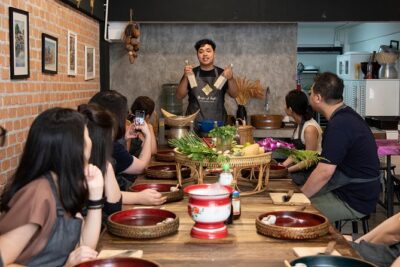
The group size is capped at 7 travelers, which changes the whole experience. In a bigger class, you can feel stuck waiting for the next step. Here, you tend to have more time to get your questions answered while you are actually cooking.
You might notice that the instructors in past classes go by names like May, Mai, Mei, or Matinee. No matter the name on your day, the pattern is the same: the teaching is organized, the kitchen support is fast, and the focus stays on getting you to produce tasty Thai dishes you can repeat.
Step 1: The Local Market Run and What to Look For
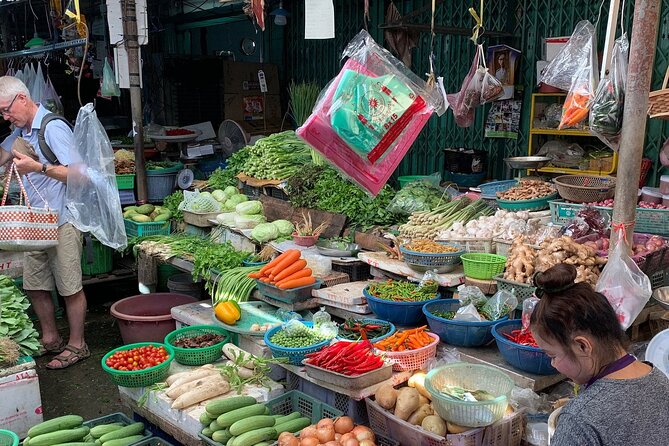
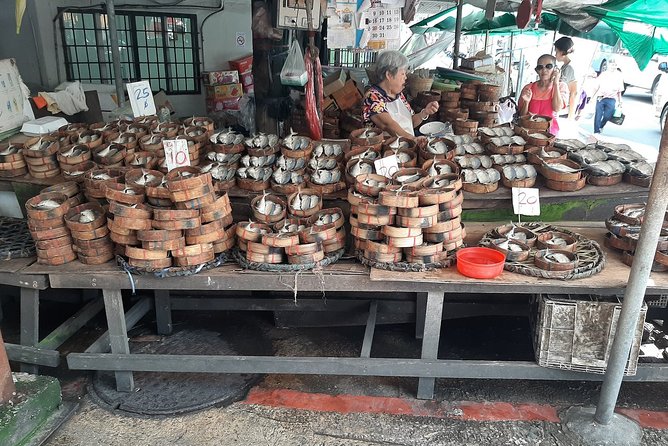
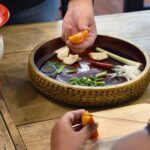
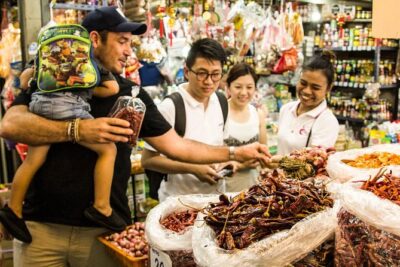
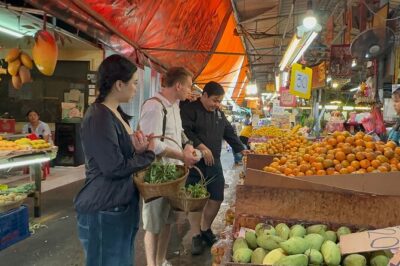
Your first stop is the market. This is where you learn how Thai cooks shop, not just what Thai cooks cook. You will browse stalls for ingredients tied to the menu chosen for your date, and your instructor helps you understand what to look for.
A few practical ways this market visit pays off:
- You learn which ingredients are meant to taste bright and fresh, not mellow or stale.
- You get cues for texture, color, and smell, which helps when you replace ingredients back home.
- You see how vendors package common Thai pantry items, spices, herbs, and aromatics that can be confusing when you first shop.
Also, this is not a slick tourist market stop. The market area can be wet and muddy, so plan for a little walking. Wear shoes you can move in comfortably, and keep your phone and bag managed so you are not stressing over every step.
In terms of pace, you are not just browsing forever. The goal is to gather the ingredients you will later cook with, and the instructor steers you toward what matters for flavor.
Step 2: Cooking Like You Mean It at Your Own Station
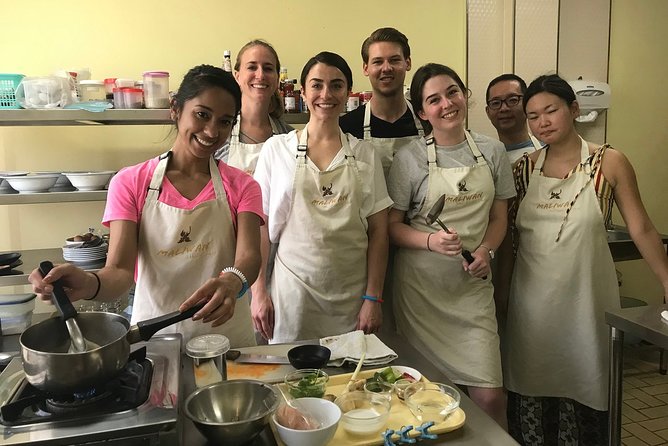
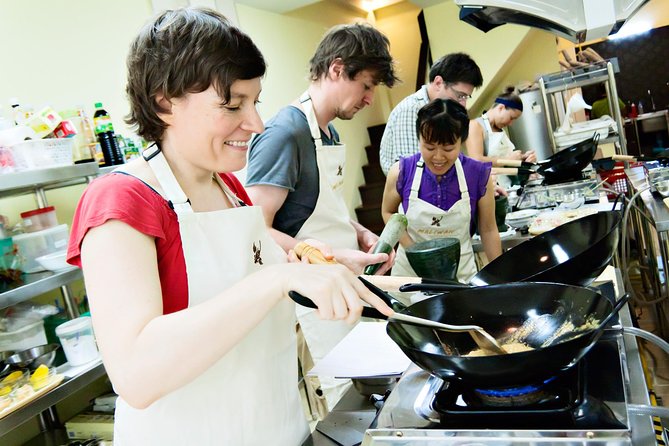
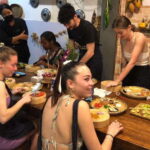
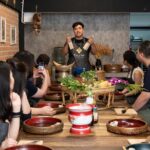
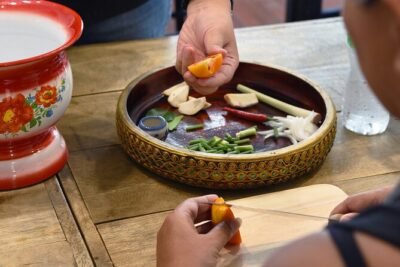
Back at the cooking space, everything is set up so you can focus on cooking. You work at a personal station with ingredients and equipment supplied, plus the structure moves dish by dish. That matters because Thai cooking can feel tricky when you try to do everything at once.
You will learn to prepare and cook classic Thai dishes, with guidance on technique and timing. The menu is decided by the instructor prior to your travel date, so you get a planned flow rather than random experimentation. Many participants end up with several completed dishes by the end of class, often in the four-to-five range, depending on what is on the menu that day.
You also get to customize. You can adjust flavor and spice to match your taste. That is a huge advantage versus courses that teach you a single rigid version. You leave with a method, not just a one-off recipe.
A key detail I really like: the teaching encourages questions. If you are unsure about what a sauce should taste like, how to balance it, or when to stop cooking, you can ask while you are doing the steps. That feedback loop is what turns a fun class into a real life skill.
More markets and shophouse lanes




What Dishes Taste Like (and Why the Flavors Hold Together)
Thai food can look simple on the page. In practice, the flavors come from careful balance. In this class, you are guided toward that balance while you are cooking, not after.
You will likely see the same theme across your dishes:
- Fresh aromatics used at the right moment so they stay punchy
- Sauces built to combine sweet, salty, sour, and heat
- Herbs added with awareness, not tossed in at the last second
The result is that the food tends to taste like actual Thai cooking, not watered-down restaurant versions. Many people are surprised by how complex the flavor feels even when the steps are straightforward.
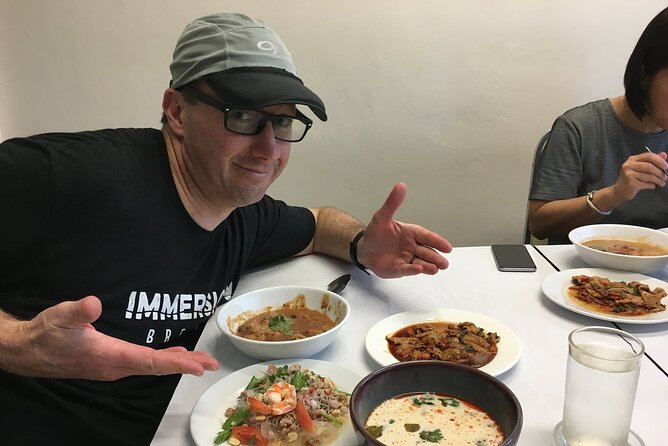
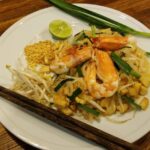
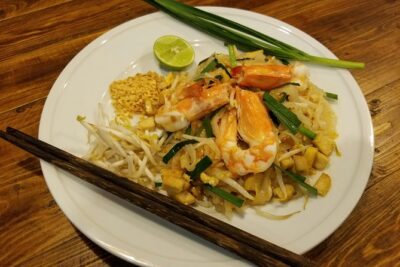
And yes, you eat what you cook. The experience is not just about finishing a dish, it is about tasting it, understanding what you made, and then walking away with a better instinct for future cooking.
Lunch, Rice Serving, and the Comfort Factor
The experience includes a rice serving and a welcome drink. You also get to enjoy the meal from what you cooked during class, so you are not leaving hungry and you are not paying extra just to taste your results.
Some classes include a pleasant dining setup where people can relax after the cooking. One past participant noted enjoying the meal in an air-conditioned room with a view of a temple area, which is a nice touch if you are taking this on a warm day in Bangkok. Even without a view, having a proper place to sit and eat makes the class feel complete.
Your Take-Home System: Printed Recipes and E-Certificate
This class is practical about memory. You get printed recipes so you can recreate the dishes without guessing. There is also an e-certificate of completion, which is mostly for fun, but it does signal that you completed a structured course rather than a casual demo.
What I like most is that the recipes are meant to match what you cooked. Because you shopped for the ingredients first, your at-home shopping list makes more sense. You are not translating a recipe from a photo, you are using the same ingredients and flavor logic you saw at the market.
If you want to cook Thai food at home, this is the missing link. The market visit gives you the ingredients, the cooking gives you the method, and the recipes give you the repeat button.
Price and Value: What You Really Get for $43.86
At $43.86 per person for about four hours, the value is strong for a few reasons:
- You get a market visit, which is usually the most educational part of Thai food experiences.
- You get all ingredients and equipment, so you are not adding surprise costs.
- You get printed recipes and the meal experience tied to what you cooked.
- The class is small, capped at 7 travelers, so your learning time is not diluted.
What is not included matters too. There is no hotel pickup or drop-off, so you will need to get to the meeting point on your own using nearby transit. If you are staying far from central areas, factor in travel time so you do not feel rushed.
Also, the menu varies based on the instructor and what they decide before your date. That is not a drawback for most people, but it does mean you cannot shop a perfect list in advance. The good news: the recipes and guidance are built around the menu you cook.
Getting There and Staying On Time in Bangkok Traffic
The meeting point is fixed, and the experience ends back at the meeting point. The schedule is tight enough that you should treat it like a real class, not a flexible activity.
Two timing notes to take seriously:
- Arriving one hour late means you are marked as a no-show and cannot join for the rest of the class.
- Bangkok traffic can be unpredictable, so give yourself buffer time, especially if you are using taxis or rideshares.
If you plan carefully, the day feels smooth. The tuk-tuk trip to the market adds fun, but it also keeps you on the planned route so you are not wasting time.
What to Wear and How to Prepare for the Market
This is a comfort and practicality item. The market can be wet and muddy, so you want sturdy, closed-toe footwear. Skip delicate shoes, and avoid anything you cannot clean if it picks up dirt.
You should also be ready for light movement and normal market walking. The class is not recommended for participants with back or leg problems, likely because of the walking and standing that comes with market shopping and cooking.
Dietary needs can be accommodated, but you need to communicate early. Inform the team of restrictions like vegetarian, vegan, gluten-free, or allergies within 2 hours of booking. Last-minute changes may not be possible.
Who This Class Suits Best (and Who Might Want a Different Plan)
This experience is perfect if you are a foodie who wants a real skill, not just a meal. It also suits you if you like markets, enjoy asking questions, and want to learn how to select ingredients like locals do.
You will probably enjoy it most if:
- You want to cook multiple Thai dishes during the same session
- You like small-group learning and hands-on steps
- You want recipes that help you repeat the dishes at home
It may not fit as well if:
- You have mobility limitations affecting walking or standing
- You hate getting your shoes a little dirty
- You strongly prefer restaurant dining over learning and chopping and simmering
Should You Book Maliwan’s Thai Cooking Class With Market Visit?
If your goal is to leave Bangkok with a cookbook in your head, this is a smart pick. The market visit teaches you how to choose ingredients, and the cooking portion teaches you the method and balance behind Thai flavor. With a small group and printed recipes, you get a practical outcome that lasts past your trip.
I would book it if you:
- Want a hands-on Thai cooking lesson in about four hours
- Enjoy markets and want the ingredient story, not just the final plate
- Appreciate small-group instruction and take-home recipes
Skip it if you are not comfortable with muddy market walking, you cannot handle standing and moving around, or you need hotel pickup because getting to the meeting point on your own is a hassle.
If you do book, do one simple thing that makes the day smoother: plan transport time so you arrive early. That buffer turns the class from stressful to easy, and easy is where the fun starts.
FAQ
How long is the Thai cooking class with the market visit?
The duration is about 4 hours.
Where does the experience meet?
You meet at Maliwan Thai Cooking Class, 9 Thanon Sap Sam Hang, Taladyod Khet Phra Nakhon, Krung Thep Maha Nakhon 10200, Thailand. The activity ends back at the meeting point.
How many people are in the group?
The class has a maximum of 7 travelers.
What is included in the price?
It includes the market visit, rice serving, a welcome drink, all ingredients and equipment, printed recipes, tuition fee, and an e-certificate of completion.
Is hotel pickup or drop-off included?
No. Hotel pickup and drop-off are not included.
Can you accommodate dietary restrictions or allergies?
Yes, but you must inform the provider within 2 hours of booking about dietary restrictions such as vegetarian, vegan, gluten-free, or allergies. Last-minute changes may not be possible.
What should I wear?
Wear sturdy, closed footwear that you do not mind getting dirty, since the market can be wet and muddy.
Is there a minimum age?
The minimum age is 13 years.
What happens if I arrive late?
Arriving an hour late results in a no-show, and you cannot participate for the rest of the class.
What is the cancellation policy?
You can cancel for free up to 24 hours in advance for a full refund. If you cancel less than 24 hours before the experience starts, the amount paid is not refunded.
Pack a Spare Bag



More Tour Reviews in Bangkok


Cook It Yourself: Thai Classes

Just In: Fresh Bangkok Reviews




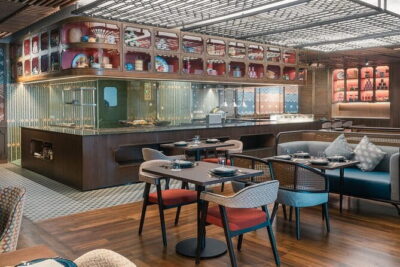
Thai Cooking Classes, compared.
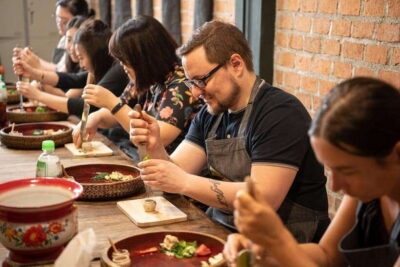 ★ 4.9Hands-on Thai Cooking Class and Market TourFrom $451,614 reviews
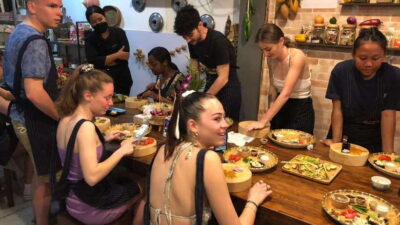 ★ 4.9Tingly Thai Cooking School Half-Day Cooking ClassFrom $411,191 reviews
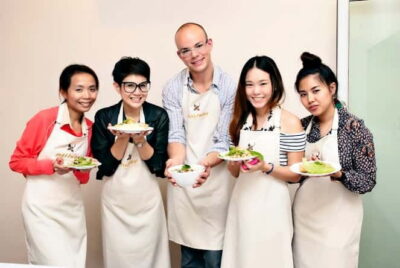 ★ 4.9Maliwan Thai Cooking Class with Market TourFrom $401,133 reviews
 ★ 5.0Hands on Thai Cooking Class and Market TourFrom $45660 reviews
 ★ 5.0Tingly Thai Cooking Class with Morning Market TourFrom $42589 reviews
 ★ 5.0Hands-on Thai Cooking Class & Market Tour in SukhumvitFrom $45571 reviews
 ★ 5.0Pink Chili – Thai Cooking Class and Market Tour in BangkokFrom $38416 reviews
 ★ 5.0Authentic Thai Cooking with the Largest market visit &TukTuk rideFrom $44350 reviews
Browse the lists this tour appears in