
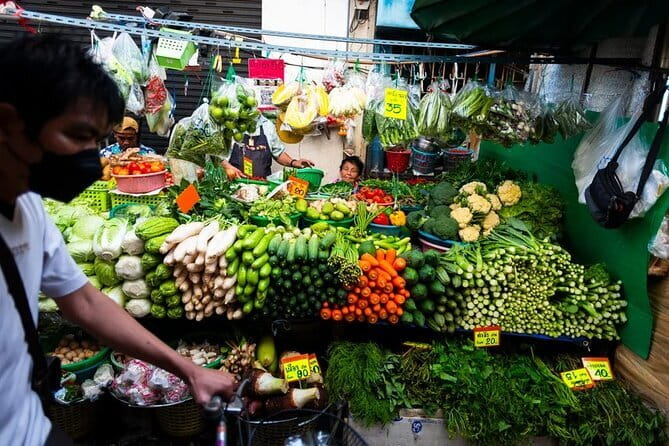
Review · THAI COOKING CLASSES
Backstreet Bangkok Exploring the Cradle of Thai Cooking
Thai cooking starts with streets, not restaurants. In a 5-hour walk through Bangkok’s oldest blocks, you connect temple walls and market alleys to the flavors that shaped Thai cooking. I love the amount of food you get (snacks, a real dinner, and drinks) and how a max of 7 people keeps the guide’s attention on your questions, but wear comfy shoes, because the pace is mostly on foot.
The tour is led by a licensed guide, and you might get a guide with stand-out energy like Anna or Lek. It begins at Sam Yot MRT station, Exit 3111, around 9:00 am and finishes back where you started, with water and alcohol included. At $125 per person, it’s not cheap, but it’s strong value if you want Bangkok food culture and context in one shot.
Key Highlights Worth Your Time
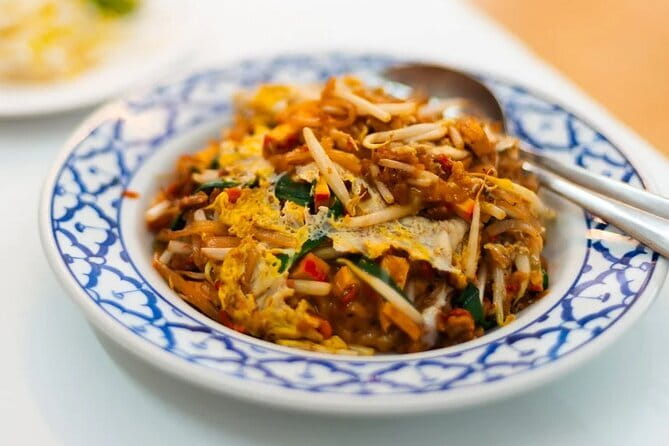
- Food is built into the format: snacks plus a included dinner, with alcoholic beverages and bottled water along the way
- Old Bangkok, not just new photos: stops around Wat Ratchaburana and the Rattanakosin area help you see why certain foods became favorites
- Cross-cultural flavor stops: Phahurat Market, often associated with Indian culture, adds another layer to Thai cooking influences
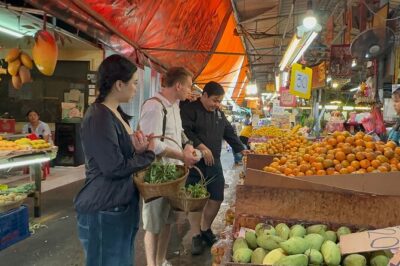
- Chinatown alley shopping energy: Sampeng Market’s narrow lanes are made for tasting while you wander
- Small groups: up to 7 travelers means it’s easier to ask questions and keep a comfortable pace
Thai Food’s Origins in Bangkok’s Old Blocks
Bangkok has a restaurant for every mood, sure. But Thai cooking makes more sense when you understand where it came from, and how people actually fed themselves day to day. This tour threads that story through the oldest parts of the city, linking food you know with places that shaped how Thai food developed.
What I like most is the way the day is set up for learning without turning into a lecture. You’re moving between temples and markets, then you’re eating your way through the connections. It’s the kind of tour where the city’s smells, cooking setups, and crowd rhythms become part of the lesson.
The walking matters, though. This is a 5-hour on-the-ground experience, so you’ll want comfortable footwear and a stomach ready for repeated tastings. If you expect a sit-down, low-step afternoon, you might find the pace a bit demanding.
Aprons on for another Thai kitchen
- Bangkok: Hands-on Thai Cooking Class and Market Tour
★ 4.9 · 1,614 reviews - Bangkok: Tingly Thai Cooking School Half-Day Cooking Class
★ 4.9 · 1,191 reviews - Bangkok: Maliwan Thai Cooking Class with Market Tour
★ 4.9 · 1,133 reviews
Wat Ratchaburana Ratchaworawihan: Starting with a 15th-Century Flavor of Place
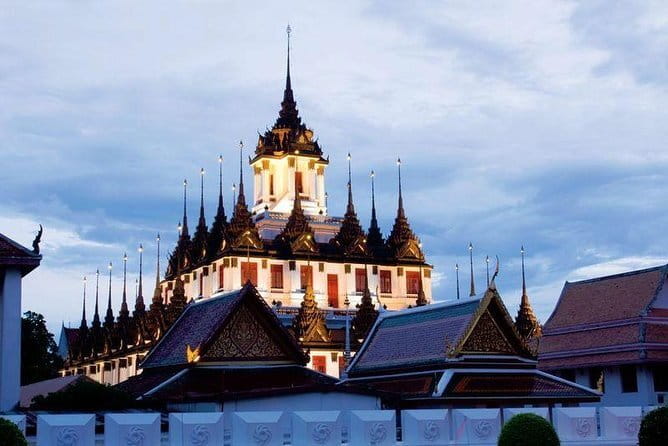
You begin with Wat Ratchaburana Ratchaworawihan, an ancient temple built in the 15th century. It’s a good opener because it gives you context before you start tasting. Bangkok’s food story is cultural as much as it is culinary, and temple architecture, royal neighborhoods, and everyday markets all sit in the same broad landscape.
This stop runs about an hour. The admission for the temple stop is free, so you’re not getting nickel-and-dimed before your first bite. The bigger value is the perspective shift: you see how old Bangkok organized space and community, which helps explain why certain food traditions took root where they did.
If you’re sensitive to long walks, hot weather, or bright sun, consider bringing sunscreen and something with sleeves. Temples are not hard to visit, but they can be bright and exposed around the grounds.
Rattanakosin Island: Royal Landmarks, Then Food Culture Context
After the temple start, you head toward Rattanakosin Island, the historical area tied to major landmarks like the Grand Palace and Wat Phra Kaew (Temple of the Emerald Buddha), plus Wat Pho nearby. This is an area you’ll recognize even if you’ve never done a deep Bangkok history day, because it’s so central to how visitors think of Thailand.
You also get to use that familiarity as a shortcut to understanding. When you connect those landmark zones with the surrounding neighborhoods, you start seeing a pattern: royal or ceremonial places and busy eating streets aren’t worlds apart here. Food traditions move, adapt, and reflect who’s living nearby, who’s trading, and what ingredients are available.
This stop is about an hour and it also lists free admission. That’s helpful because you can spend your budget on tastings and dinner rather than tickets. The practical downside is that this part of the day sits in public space and you’ll likely be in crowds around famous areas, so plan to move with the group and stay close.
Phahurat Market (Little India): When Thai Cooking Meets Spice Routes
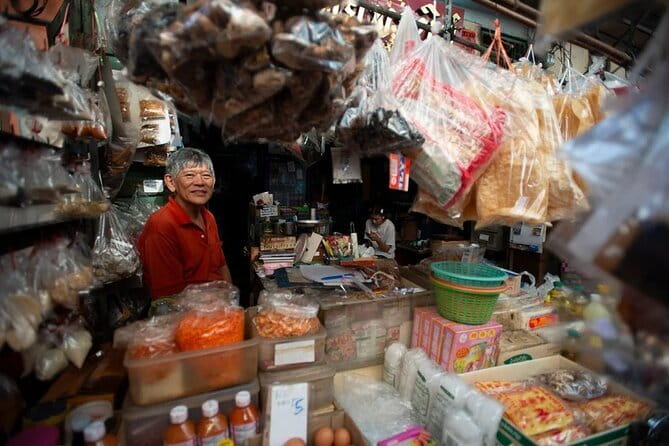
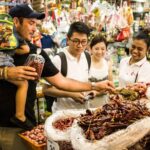
Phahurat Market is where you’ll feel Bangkok’s cross-cultural influences in a very direct way. It’s often called Little India, and you can shop textiles, jewelry, and food here. More importantly for you, it’s a chance to connect Thai cooking tastes with the idea of ingredient movement across communities.
This is also a full hour. It’s not just wandering for wandering’s sake. With a licensed guide, you’re likely to get pointed toward why certain flavors feel familiar in Thai dishes even when you trace them to older routes of trade and migration.
One caution: markets like Phahurat can be intense for the senses. Think strong smells, lots of people, and constant visual temptation. If you’re easily overwhelmed, go slowly, follow your guide’s cues for tastings, and treat shopping as optional. Your stomach will thank you later when dinner shows up.
More time at the wok

Sampeng Market Chinatown Lanes: Alleyway Time for Tasting
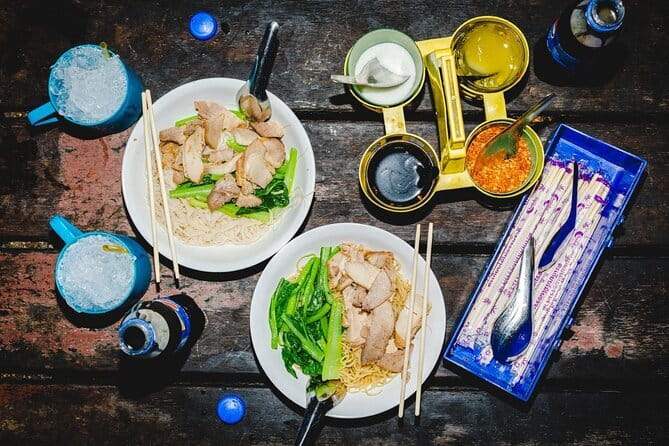
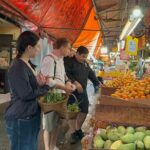
Your day also includes Sampeng Market, described as a narrow alleyway within Chinatown. This is the part of the tour that feels like Bangkok’s everyday hustle, with an eclectic mix of goods that can range from textiles to electronics.
You spend about 30 minutes here. That short time is actually a plus. You get the street energy without letting shopping fatigue take over your appetite. And because your guide is pacing the tastings, it’s easier to avoid the trap of trying to taste everything without a plan.
If you don’t like crowds, keep your expectations realistic. Chinatown lanes can get tight and busy. The good news is that the tour keeps a group rhythm, and with a maximum of 7 people, you’re less likely to feel swallowed by the crowd.
What You Actually Eat: Snacks, Dinner, and Drinks Included
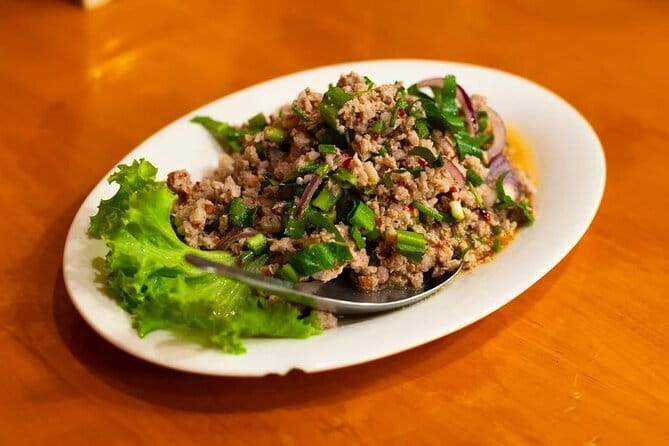
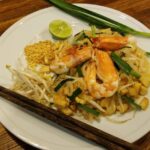
This is a food tour, not a stroll with occasional bites. The included items matter: you get snacks, an included dinner, bottled water, and alcoholic beverages. The format is built so that each stop has a purpose beyond scenery.
I like that the tour gives you alcohol alongside tastings. It can make the food feel even more social and fun, especially if you’re pairing Thai flavors with beer or other drinks. The practical consideration is obvious: pace yourself. Bangkok’s heat plus repeated tastings can sneak up on you faster than you expect.
From the guide feedback, the best thing to watch for is how your leader pushes you toward trying things in a smart order. Several guide styles mentioned a strong desire to get you tasting more, sometimes with the kind of energy that makes you feel like you’re being fed by a friend. That’s great for adventurous eaters. If you’re the cautious type, just tell your guide early that you want to sample but keep it light.
How the 5-Hour Schedule Works for Real People
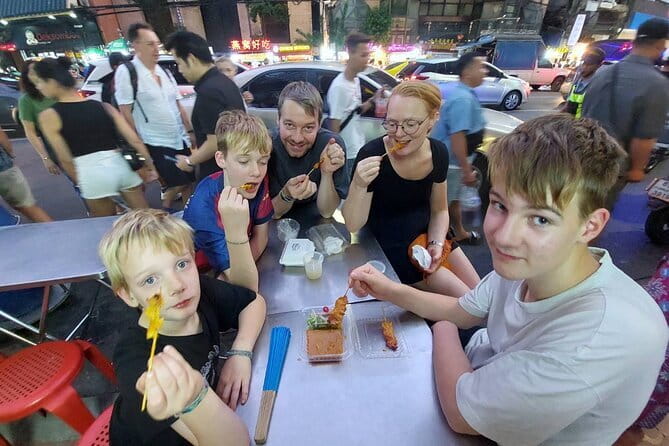
The tour runs about 5 hours. That duration is long enough to feel like a full morning or afternoon, but short enough to still enjoy the rest of Bangkok afterward. It also helps that the day starts at 9:00 am, which usually means you’re hitting markets earlier rather than later.
The pacing across stops is the real skill here. You move from temple context to landmark zone, then into market areas like Phahurat and Sampeng. Each environment offers different food cues, shopping textures, and cultural signals. By the end, you’re not only eating, you’re mapping Bangkok.
Price is $125 per person. That’s not a bargain. But you are paying for a licensed guide, multiple tastings, dinner, snacks, drinks, plus the time saved compared to planning your own food crawl through parts of the city with lots going on. This feels like good value if you want structure and someone to translate what you’re eating.
Small Group Size, Guide Styles, and What to Expect
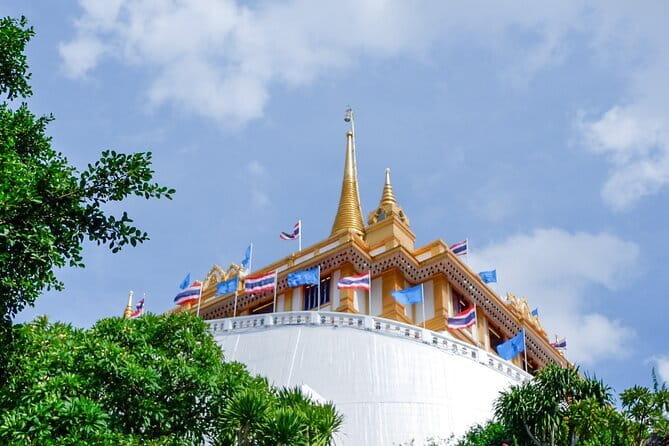
The tour caps out at 7 travelers. That matters more than it sounds. You’re not stuck waiting behind a huge group to ask questions. You also get a better chance to understand what you’re tasting and why that ingredient belongs in Thai cooking.
The guide names that have shown up with high praise include Anna and Lek, and there’s even mention of a second guide, Annie, joining on at least one run. Translation for you: this tour is built around guide-led storytelling, and the strongest experiences seem to come when the guide is energetic and attentive.
If you end up with fewer people than expected, it can feel like a near-private day. That changes the vibe in a good way, because you can tailor your pace and ask follow-ups without feeling rushed.
Practical Tips Before You Go
Come ready for a walking day. Comfortable shoes are non-negotiable. Bring water even though bottled water is included, because Bangkok weather can change fast and thirst can show up early.
Eat-friendly mindset helps, too. Since snacks and dinner are included, you don’t need a big breakfast if you’re sensitive to overeating. But also don’t show up totally empty if you hate feeling shaky. Aim for a light meal earlier and then let the tour carry you.
For photos and shopping, keep the plan simple. You’ll have market time, but the primary goal is tasting and learning. If you want textiles or small souvenirs, decide what budget you’ll stick to before you get distracted by everything.
Lastly, if you drink alcohol, treat it like part of the meal pacing, not a free-for-all. This is a day where tastings and walking are happening together.
Should You Book This Bangkok Backstreet Food Tour?
Book it if you want Bangkok food culture with context, not just a list of places to eat. The value is strongest when you like guided tastings, you enjoy old neighborhoods, and you want to see how Thai cooking connects to history, trade, and daily life.
Skip it if you prefer strictly food-only stops with minimal walking, or if you have a very sensitive stomach around lots of small samples and spicy foods. Also skip if you hate crowds, because you’ll be in busy market zones.
For most people, this is a smart way to spend half a day in Bangkok: you get the story behind the flavors, and you leave fed, not just informed.
FAQ
How long is the tour?
The tour lasts about 5 hours.
Where does the tour start, and where do I end up?
You meet at Sam Yot MRT station, Exit 3111, at 9:00 am. The activity ends back at the meeting point.
What’s included in the price?
The tour includes a licensed guide, bottled water, snacks, dinner, and alcoholic beverages. Private transportation is not included.
How big is the group?
The tour has a maximum of 7 travelers.
Are admission tickets included for the main stops?
The listed temple and market stops show admission tickets as free.
Do I get a mobile ticket?
Yes, this activity uses a mobile ticket.
What if I need to cancel?
You can cancel for free. If you cancel at least 24 hours before the experience starts, you get a full refund. If you cancel less than 24 hours before, the amount paid is not refunded.
Learn Another Thai Dish

More Tour Reviews in Bangkok



Cook It Yourself: Thai Classes
Just In: Fresh Bangkok Reviews

Thai Cooking Classes, compared.
 ★ 4.9Hands-on Thai Cooking Class and Market TourFrom $451,614 reviews
 ★ 4.9Tingly Thai Cooking School Half-Day Cooking ClassFrom $411,191 reviews
 ★ 4.9Maliwan Thai Cooking Class with Market TourFrom $401,133 reviews
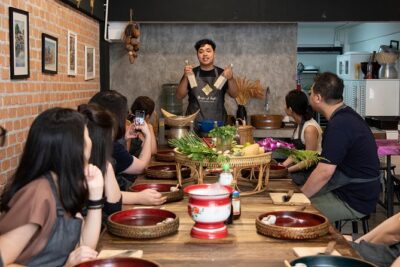 ★ 5.0Hands on Thai Cooking Class and Market TourFrom $45660 reviews
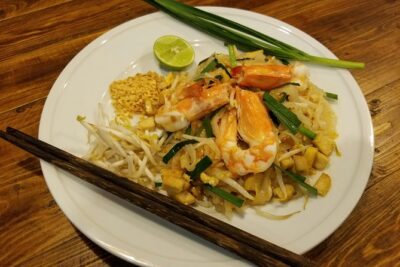 ★ 5.0Tingly Thai Cooking Class with Morning Market TourFrom $42589 reviews
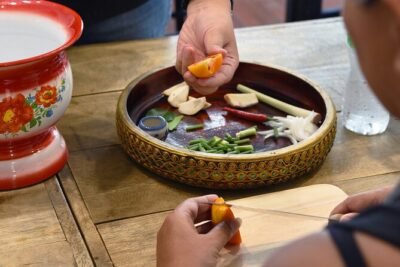 ★ 5.0Hands-on Thai Cooking Class & Market Tour in SukhumvitFrom $45571 reviews
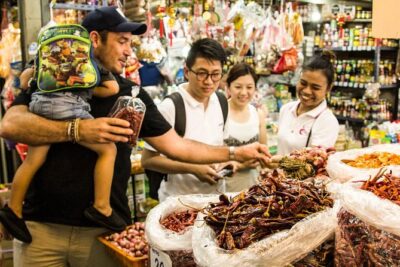 ★ 5.0Pink Chili – Thai Cooking Class and Market Tour in BangkokFrom $38416 reviews
 ★ 5.0Authentic Thai Cooking with the Largest market visit &TukTuk rideFrom $44350 reviews
Browse the lists this tour appears in