
Review · BANGKOK FOOD & STREET EATS
Thai Bus Food Tour Experience in Bangkok
Dinner with Bangkok views.
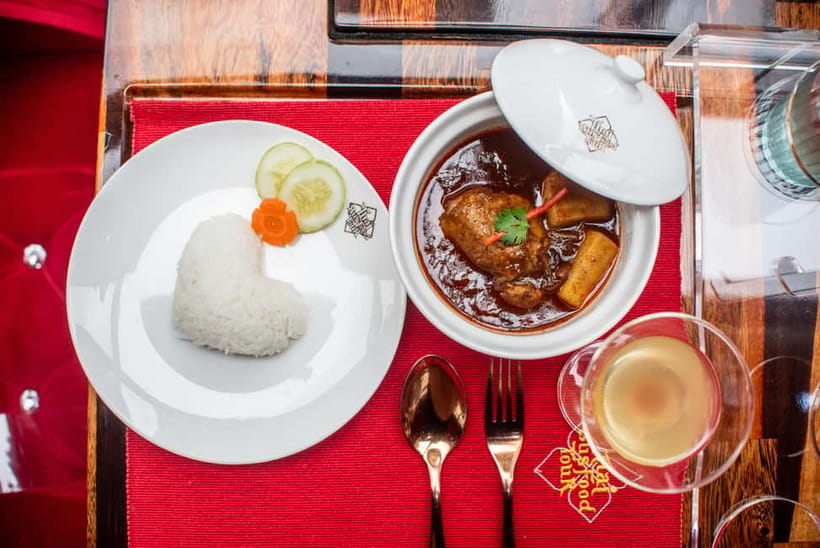
This Thai Bus Food Tour turns a meal into sightseeing, with Michelin-recognized Thai menus served while you cruise the historic zone of Rattanakosin Island from panoramic windows. I like the combo of full-course Thai food and live context from a guide. One thing to watch: if you hate bus loops around Chinatown areas, the route may feel a bit repetitive.
I also like the choice of timing. You can pick lunch, afternoon tea, dinner, or a nightlife-style option, and the menu changes by option (seasonal rotation is part of the deal). You’ll get USB charging and WiFi plus an onboard restroom, so you spend less time juggling logistics. If you want lots of walking and museum entry time, this is mostly a see-and-eat ride.
The sightseeing focus is strong: you pass major landmarks like the Grand Palace area, Wat Pho, the Temple of the Emerald Buddha, and illuminated Wat Arun across the river. I like that the English/Thai guide helps you make sense of what you are looking at without turning it into homework. The schedule can flex with traffic and weather, so give yourself a little buffer.
Key Points I’d Prioritize Before Booking
- Double-decker dining bus with panoramic city views, built for seeing Rattanakosin Island while you eat
- Michelin-recognized menus that match your chosen slot (lunch, afternoon tea, dinner, or night tour)
- A packed route that passes 20-plus named landmarks, including the Grand Palace area and Wat Arun
- Onboard comfort for a short outing, with WiFi, USB charging, and a restroom on the bus
- Diet options are planned, with vegetarian and halal menus available depending on the selected option
- Kids menu rules are clear, with kids 3-8 charged at the kids menu rate and kids under 3 not suitable
A Double-Decker Dining Bus That Makes Bangkok Easy
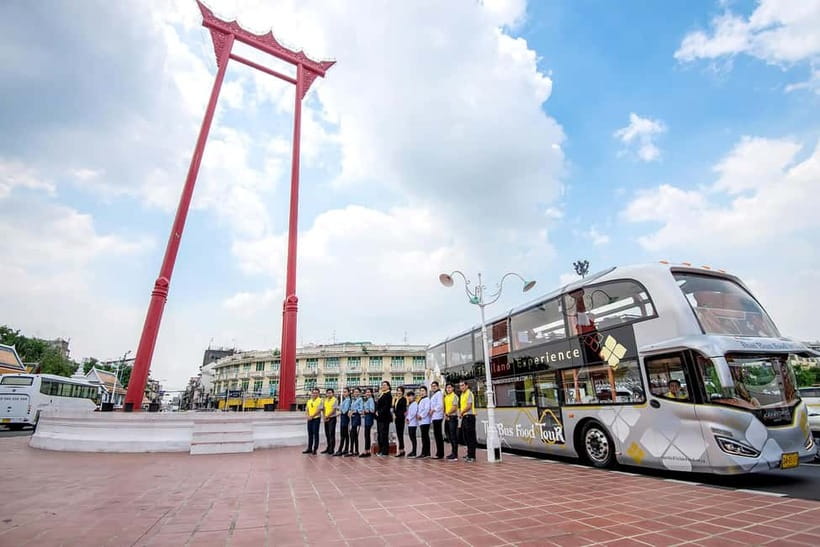
Bangkok can be a lot on day one. Hot sidewalks, long lines, and the constant question of where to eat that won’t wreck your sightseeing plan. This tour basically sidesteps that by rolling food and city views together on a luxury double-decker bus.
The big idea is simple. You ride the bus around historic Rattanakosin Island, looking out through panoramic windows while a professional crew handles service. You also get a live guide sharing context along the way, so you are not just staring at temple roofs and hoping it all clicks.
I like the short duration for exactly this reason. Ninety minutes is long enough to feel like an experience, but short enough that you are not locked into a half-day commitment. It also helps you get oriented fast, especially if your first hours in the city are still figuring-out mode.
Still hungry? More woks, stalls and night-market plates
- Bangkok: Backstreets Food Tour with 15+ Tastings
★ 4.9 · 2,880 reviews - Bangkok Backstreets Food Tour with 15+ Tastings
★ 5.0 · 1,926 reviews - Bangkok: Michelin Guide Street Food Tour by Tuk Tuk
★ 4.4 · 1,274 reviews
Michelin-Recognized Thai Menus, Full Course, and Service You Don’t Have to Manage
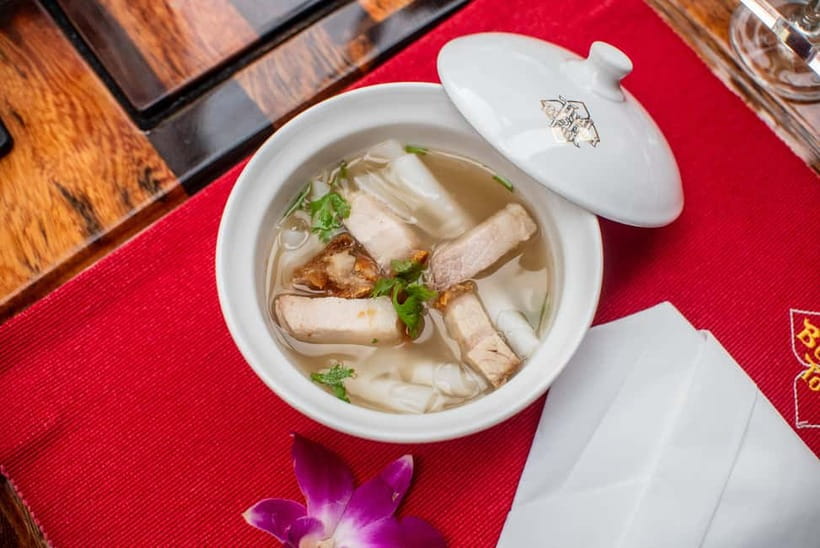
You are not paying for a light snack here. The tour includes a full-course meal plus beverages, typically structured with a welcome drink, appetizers, main courses, dessert, and drinks. That matters because you avoid the usual “what should I eat now” decision fatigue.
The menus are described as Michelin-awarded Thai cuisine, and the tour uses Michelin-recognized menus for the chosen dining option. Menus rotate seasonally, so your exact dishes depend on what is available at the time. That also means you should not expect the exact same menu year-round.
Service is part of the value. Instead of finding a restaurant, ordering, waiting, and then rushing back out, you eat while the bus keeps moving. The crew handles the meal flow, and the bus setup supports it, with onboard restroom access and WiFi plus USB charging.
Dietary options are supported too. The tour indicates vegetarian and halal menus depending on which option you select. So if you know your needs in advance, this is one of the more straightforward ways to get Thai food in without building a plan from scratch.
How Sightseeing Works When You Are Also Eating
This is a bus tour, not a walk-everywhere day. That is good news for comfort, and it is also the key to setting expectations.
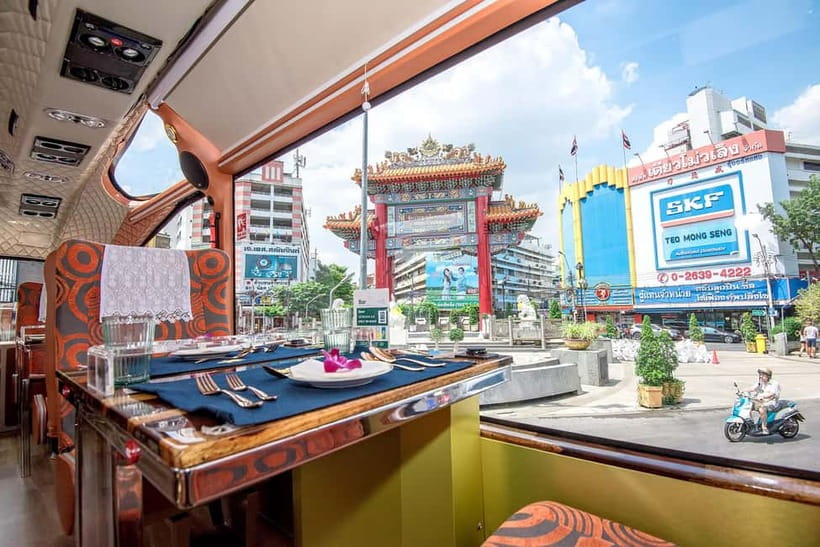
You will see a long list of landmarks as you pass them, and the tour highlights panoramic city views from the double-decker bus. Windows are the star here. You should think of this as a “watch the city go by” experience where you nibble, sip, and look.
A live guide helps keep it from becoming random sightseeing. The guide is English/Thai, and the tour aims to blend fine dining with heritage context. Practically, that means you get a running explanation of what you are seeing, which is especially useful for the big-name sites that can blur together if you do them solo.
Also, your timing can be influenced by traffic and weather. Since this is ninety minutes, those delays can shift where you are on the route at any given moment. If your goal is a specific photo at dusk, pick the dining option that matches your timing best, then accept that Bangkok weather and road conditions are part of the story.
Segment 1: Hua Lamphong, Wat Traimit, and Chinatown Gate
The ride starts with the bus tour route and passes key city areas right away. Your first big sensory hit tends to be the transit energy near Hua Lamphong Railway Station. Even without getting off, passing that kind of landmark sets the tone for Bangkok as a city of movement.
Next comes Wat Traimit. You will pass it for scenic views on the way, which is perfect if you like seeing the shape and style of temples from a distance. It also avoids the time sink of detours when you are already on a tight ninety-minute schedule.
Then you reach Chinatown Gate and Chinatown. This is the part that can polarize people. Chinatown is famous for being visually intense, and the tour route includes it more than once in the broader loop. If you want variety over repetition, keep an eye on how your exact tour timing lines up with the neighborhoods you prefer.
Still, even from the bus, Chinatown can be a quick education in how the city organizes commerce and culture side by side. If this is your first time in Bangkok, it is also one of the fastest ways to see that the “historic sights” part of the city is not far away from the “everyday life” part.
More plates and glasses worth the trip


Segment 2: Maen Sri Waterworks, Wat Saket, Loha Prasat, and Democracy Monument
After Chinatown, the route swings into a mix of older landmarks and distinctive architecture.
You pass Maen Sri Waterworks, and that’s a nice change from temples and monuments. It gives you a different kind of landmark to look at while you are already in sightseeing mode. If you like cities as systems, engineering landmarks can feel surprisingly interesting when you spot them from a moving bus.
Then it’s Wat Saket Temple. The tour frames these as iconic stops on the Rattanakosin circuit, and you will have time to take in the setting as the bus rolls by.
Next: Loha Prasat. This is one of those buildings people recognize because it looks unusual at a quick glance. Even if you do not get out for a close look, it’s the kind of stop that makes the city feel less uniform. It also helps break up the visual pattern between temples and civic structures.
You also pass Democracy Monument, which shifts you toward political and civic Bangkok. It’s a strong “big landmark” moment in the middle of a meal-and-sightseeing ride because you can instantly tell it is meant for public attention.
Finally in this segment, Wat Bawon Niwet appears on the route for scenic views. The tour keeps stacking famous names, which is ideal if your goal is a broad introduction rather than a slow, deep, one-site day.
Segment 3: Phra Sumen Fort, National Museum, Sanam Luang, Grand Palace, and Wat Arun
This is the section where the route leans hardest into the historic center.
You pass Phra Sumen Fort, and the tour highlights it as a historic fort worth noticing. It is one of those places where the structure itself communicates age and defense without needing extra explanation.
Then comes National Museum. Since you are not getting off in this format, think of it as a landmark pass, a way to connect your mental map. Seeing it from the bus helps you connect the dots if you plan to do a museum visit later with more time.
You also pass Sanam Luang, another recognizable open area name on the tour route. Open spaces are useful in a bus tour because they give your eyes a breather between dense temple scenes.
Next is the big one: the Grand Palace Bangkok area. You pass it for scenic views on the way. The tour also calls out this zone as a key part of the heritage focus, with major temples nearby on your route.
Then you reach Wat Arun, and the tour specifically frames it as illuminated across the river. If you choose a later dining slot, you might get more lighting drama than if you do it earlier. Either way, it’s one of the most photogenic “from the road” moments on the itinerary.
This segment is also where the guide’s commentary can pay off the most. With so many high-profile landmarks close together, a guide helps you sort what belongs where so you do not leave with a pile of names but no structure.
Segment 4: Wat Pho, Wat Phra Kaew, Ministry of Defence, Wat Suthat and the Giant Swing, Wat Mangkon Kamalawat
After Wat Arun, the bus continues through the temple-heavy and landmark-heavy finish of the route.
You pass Wat Pho and Wat Phra Kaew (Temple of the Emerald Buddha). These are core Bangkok temple names, and they fit the tour’s theme of historic Rattanakosin landmarks. Since you are viewing from the bus, your best strategy is to look for silhouettes and architectural details you can spot through windows, then let the guide fill in the meaning.
Next you pass the Ministry of Defence. Including a civic building here adds variety. It also reinforces that this is not a theme-park route. You are moving through a real working city that has heritage landmarks mixed into daily geography.
Then it’s Wat Suthat and the Giant Swing area. The tour highlights the Giant Swing and the architectural wonder feel here. Even without stepping out, the name alone signals that this is a visual landmark people remember. In a short ride, that kind of standout makes the tour feel more complete.
Finally, you pass Wat Mangkon Kamalawat and then arrive back at the Thai Bus Food Tour starting point.
This end segment can feel like a victory lap if you have been paying attention. By the time you reach the Giant Swing area and the final temple pass, you have already built a basic map of the city loop in your head. That is the quiet value of stacking many sites quickly.
Touring Style, Comfort, and What the Onboard Setup Means for You
The bus is set up for comfort and small conveniences that make a ninety-minute experience easier.
You get an onboard restroom. You also get WiFi and USB charging ports, which helps if you want to keep your phone ready for photos and maps. In a day where you might be juggling directions on foot, this little “stay powered up” feature matters more than you would think.
There is also a driver and service crew, plus a live guide. That means you are not left figuring out when to eat or what to do next. The crew handles the meal service flow while the guide handles the sightseeing narrative.
The tour also states that kids menus are available depending on the selected option, and it gives a clear age rule: children aged 3 to 8 pay at the kids menu rate, children aged 9+ pay the adult rate, and children under 3 are not suitable. That helps you plan without guessing.
Finally, language support is English and Thai. If you rely on English, you can expect the narration in that language during the tour.
Price and Logistics: Is $47 Good Value for Bangkok?
At $47 per person for ninety minutes, you are paying for three things at once: a guided bus loop past many named landmarks, a double-decker setup with panoramic viewing, and a full-course Michelin-recognized Thai meal with beverages.
That can be good value if you would otherwise spend money on a standalone meal and then pay for taxis or time-consuming planning to hit multiple sights. It’s also a neat way to pack sightseeing into a short window without sacrificing food quality.
But value is personal. One concern that can come up is the gap between “good food” and “premium food that feels worth it at this price point.” If your standard is truly top-tier dining and you expect every course to hit a very specific wow level, you should treat this as a guided fine-dining experience on a sightseeing bus, not a standalone luxury restaurant night.
Also, double-check what your ticket includes and what your dining option covers, especially if your group is booking together. If there is any confusion about whether pricing is per person, fix it before you go.
For most people, the best part is that you are not choosing between food and views. You get both, in a compact format.
Who This Bangkok Thai Bus Food Tour Fits Best
This tour fits best if you fall into one of these buckets:
- You are new to Bangkok and want an organized introduction to Rattanakosin Island landmarks
- You want Thai cuisine with guided context, without the stress of planning a tight route
- You like the idea of eating while you ride past famous sites like the Grand Palace area, Wat Pho, and Wat Arun
- You want onboard comfort, with WiFi, USB charging, and a restroom on the bus
It might not fit you as well if you prefer slow travel, long walks, and lots of time at each stop. This is a pass-by sightseeing format. You see many landmarks from the bus, but you do not get the kind of in-depth, in-person exploration you get on a walking tour or a hop-off bus day.
If you travel with children, it can work well for kids 3 and up. You also have age-based pricing rules for kids 3 to 8, so you can budget more cleanly.
Before You Go: Small Choices That Make a Big Difference
Pick your dining slot like it affects your sightseeing. Lunch and dinner change the vibe of the ride, and the tour includes illuminated Wat Arun as part of the experience. So if you like city lighting, choose the option that matches your preferred time of day.
If you need vegetarian or halal menus, select the right option ahead of time since availability is tied to the selected experience.
Plan for a schedule that can shift. Traffic and weather can change timing, and because you are on a ninety-minute format, those shifts matter. Build your day around the idea that Bangkok moves at its own pace.
Also, since hotel pickup and drop-off are not included, you should plan to get yourself to the tour starting point. The tour itself runs as the bus loop, but you handle your own getting-there logistics.
Should You Book the Thai Bus Food Tour in Bangkok?
I’d book it if you want a simple, guided, food-forward intro to central Bangkok. The strongest reason is the pairing: Michelin-recognized Thai menus plus a double-decker route past 20-plus landmarks in just ninety minutes. Add onboard WiFi, USB charging, and a restroom, and it becomes a rare “low planning, high reward” day.
I’d think twice if you are the kind of traveler who needs long time at each site or who expects restaurant-level excellence that matches the highest Bangkok fine-dining prices every single course. In that case, confirm the dining option you choose and be realistic that this is bus sightseeing, not deep on-site exploration.
If you want a first taste of Bangkok that blends heritage landmarks with a real meal, this is one of the easier ways to do it without turning your day into a spreadsheet.
More Tours in Bangkok
More Tour Reviews in Bangkok

Eat Bangkok: More Street Food

Just In: Fresh Bangkok Reviews

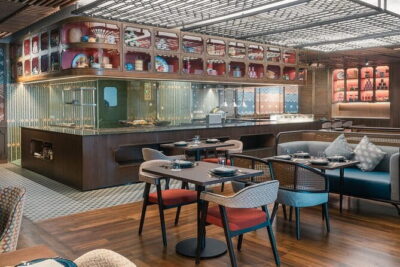
Bangkok Food & Street Eats, compared.
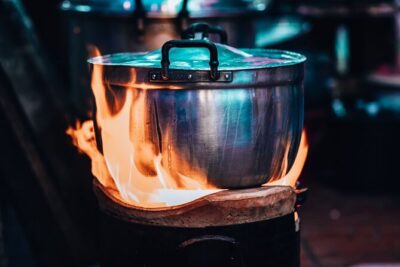 ★ 4.9Backstreets Food Tour with 15+ TastingsFrom $622,880 reviews
★ 5.0Bangkok Backstreets Food Tour with 15+ TastingsFrom $591,926 reviews
★ 4.9Backstreets Food Tour with 15+ TastingsFrom $622,880 reviews
★ 5.0Bangkok Backstreets Food Tour with 15+ TastingsFrom $591,926 reviews
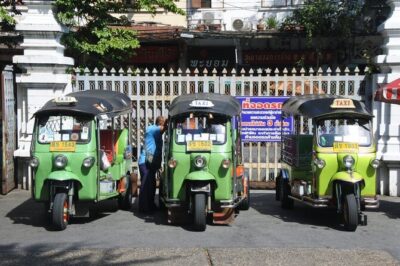 ★ 4.4Michelin Guide Street Food Tour by Tuk TukFrom $201,274 reviews
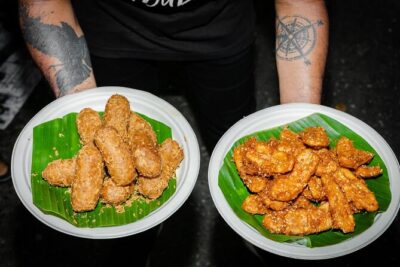 ★ 5.0Old Siam Bangkok Food Tour with 15+ TastingsFrom $59867 reviews
 ★ 4.9Bangkok Authentic Tasting Thai-Chinatown Walking Food TourFrom $43852 reviews
 ★ 4.3Tuk Tuk Adventure Chinatown Michelin Food & TemplesFrom $18725 reviews
 ★ 5.0Bangkok Tuk-Tuk Tour by Night with Chinatown Street Food MealFrom $40635 reviews
 ★ 4.9Must-Try Hidden Bike & Food ExperienceFrom $59613 reviews
Browse the lists this tour appears in