
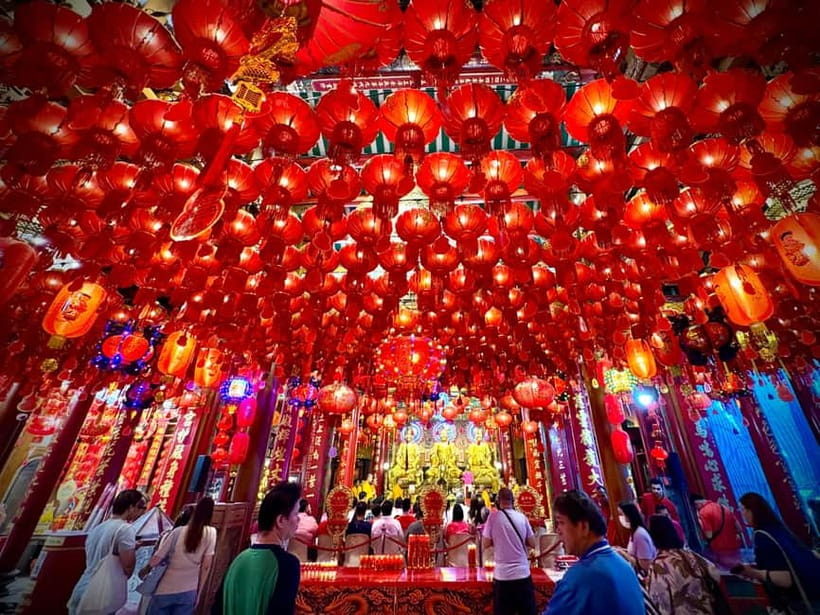
Review · CHINATOWN TOURS
Bangkok: Chinatown & Taladnoi Street Art Guided Walking Tour
A few turns off the main street change everything. This 4-hour Bangkok walk pairs old-world Thai-Chinese temples and markets with Talad Noi street art, so you see Yaowarat the way locals do, not just the postcard version. I like how the route mixes spiritual stops and everyday commerce, and I also like that guides bring the stories to life with names, trade routes, and community details. The main drawback is simple: it is a walking tour, so plan for sun, uneven sidewalks, and crowds.
You start at MRT Wat Mangkon Exit 3, then move through places like Wat Mangkon Kamalawat, a Chinese community hospital, and the Golden Buddha at Wat Traimit. The walk ends riverside at River City Bangkok, which is great if you want lunch or a boat ride after. With a rating of 4.7 from 36 reviews, the most praised part is the guides, often described as friendly, patient, and flexible, with real explanations of Thai-Chinese heritage (names you may hear include Jenny, Nok, Mai, Mariyah, Ploy, and Jib).
Key things that make this tour worth your time
- Wat Mangkon Kamalawat in the real Chinatown flow, not behind a barrier of tourist stalls
- Thai-Chinese community stories tied to charity, trade, and immigration, told by an English guide
- Wat Traimit Golden Buddha moment, where the city’s legends meet a surprising detail
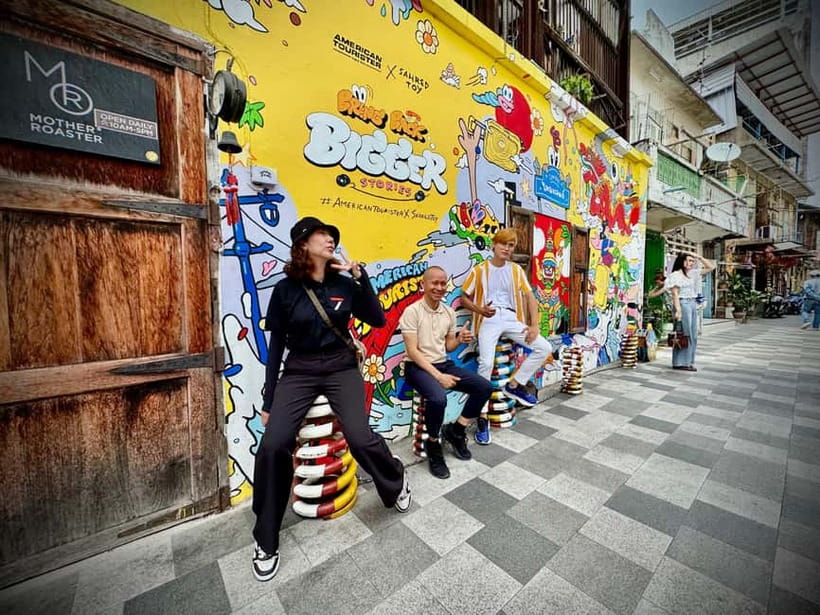
- Talad Noi ironwork alleys and street art, with craft history visible in the side streets
- An end point that sets you up for the rest of your day, right by the Chao Phraya at River City
Where Bangkok’s Chinatown actually starts, right at Wat Mangkon
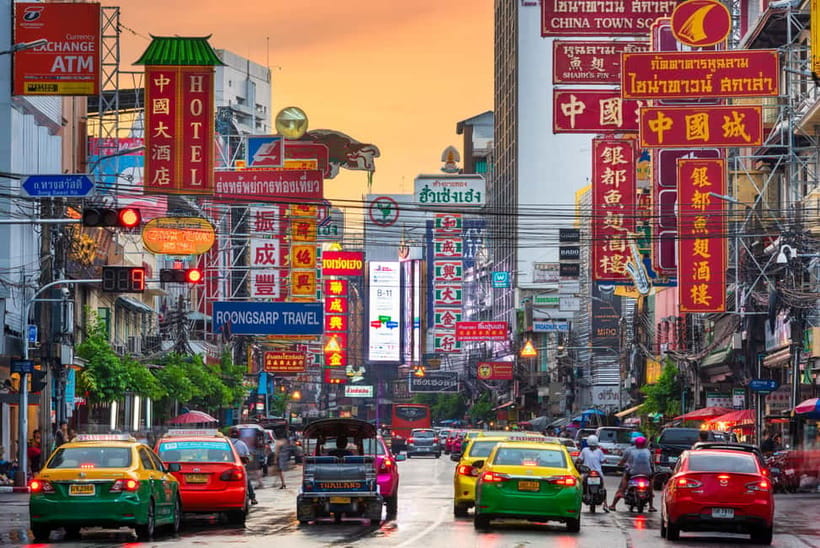
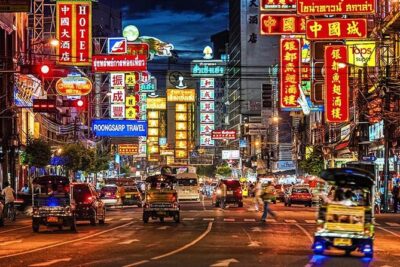
This tour is built around one smart idea: don’t treat Chinatown as a single street. You begin at MRT Wat Mangkon Exit 3, then push deeper into Yaowarat where shrines, markets, and side alleys sit close together. That short train-and-walk start helps you get oriented quickly, so the neighborhood stops feeling like chaos and starts feeling like a system.
I like that the pace matches the area. Temples require a slower step. Markets and backstreets need you awake and watching your surroundings. Your shoes will get the work, but you are also in Bangkok at walking speed, which is where the city shows its personality.
Deeper into Yaowarat after dark
- Bangkok Authentic Tasting Thai-Chinatown Walking Food Tour
★ 4.9 · 852 reviews - Bangkok: Tuk Tuk Adventure Chinatown Michelin Food & Temples
★ 4.3 · 725 reviews - Bangkok Tuk-Tuk Tour by Night with Chinatown Street Food Meal
★ 5.0 · 635 reviews
MRT Wat Mangkon Exit 3 to Yaowarat alleyways: the rhythm of the day
Your meeting point is very specific: meet your guide at MRT Wat Mangkon Exit 3. If you choose hotel pickup, you should be ready in the lobby early, and you will see your guide holding a sign with your name. Either way, the goal is the same: start together and head in before you lose time to confusion.
You will spend about 2.5 hours in Chinatown, including photo stops and guided walking. The tour structure matters because it prevents the usual issue in big cities where you wander and then later wish you had asked a question. With a guide leading the route, you get context for what you are seeing: why certain gates and shrines exist, why certain streets feel more “local,” and what people do here when they are not shopping for souvenirs.
One practical consideration: this is not a sit-down museum tour. It is outdoor walking plus short temple and shrine visits, so bring a hat and sunscreen, and wear light clothing you can move in.
Wat Mangkon Kamalawat: spiritual life with a community pulse
The first big stop is Wat Mangkon Kamalawat, described as a hub of Chinese spiritual life. This is not just a pretty building for photos. You get a sense of how religion functions as community glue in Chinatown, where people come to pray, remember, and mark the day.
You will also learn how this area became what it is. The tour ties religion to patterns of immigration and commerce, so the temple feels connected to the neighborhood instead of floating in the background. It helps a lot if you like stories that connect places, not just places themselves.
The morning market: street food smells, incense, and real local routines
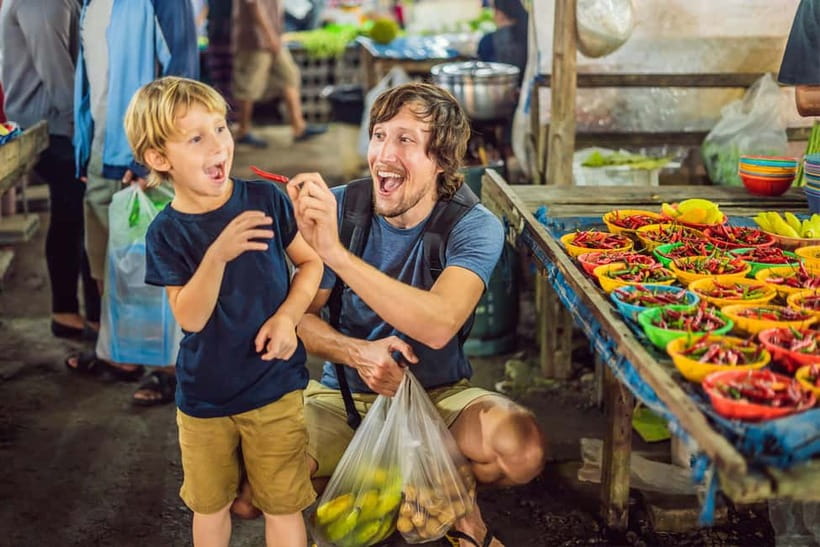
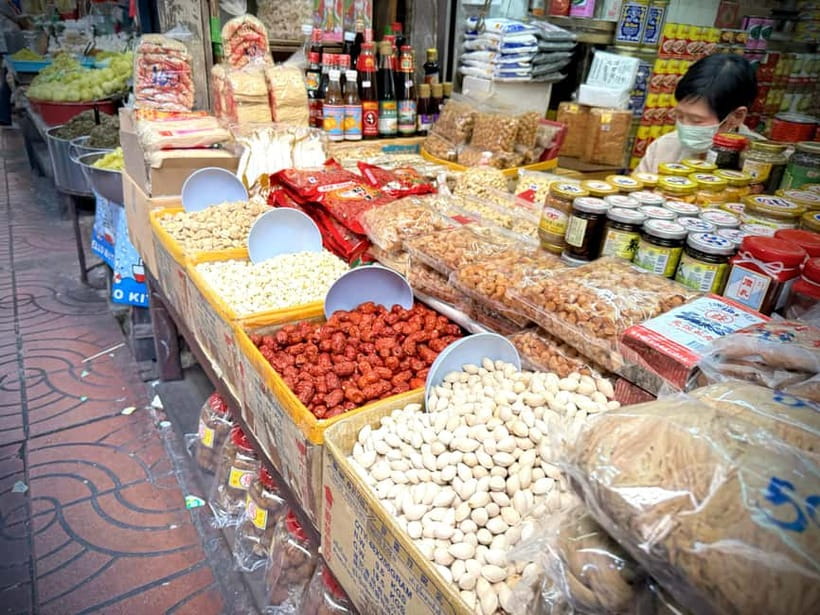
After the temple, you move into a lively morning market. Expect street food, incense, and day-to-day life around the stalls. This is one of the places where an English guide earns their fee, because you are not only watching people shop, you are learning what different goods represent and how the market works in the rhythm of the district.
A small warning, but a useful one: markets mean crowds, and crowds mean you will want to keep a little pocket of personal space. Also, plan your photos with care. Some areas are narrow, and you will want to step aside so you do not block someone carrying something heavy.
Bangkok at walking pace, more routes
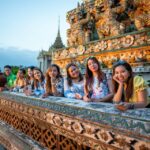
Tian Fah Foundation Hospital: charity inside a Chinatown story
The route includes Tian Fah Foundation Hospital, noted as Thailand’s first Chinese charitable hospital. This stop turns the “Chinatown tour” idea into something more meaningful. It is a reminder that communities build support systems, not just businesses.
What I find valuable here is the connection between care and identity. Instead of treating Chinese heritage as only temples and festivals, the tour shows how social institutions shaped daily life. If you like understanding cities through the institutions people rely on, this is a highlight.
Also, this is a good breather in the overall pace. You get a structured, calm moment after the sensory overload of markets and alleyways, even though you are still walking and learning.
Wat Traimit and the Golden Buddha: legend you can actually see
Next comes Wat Traimit, home to the Golden Buddha. The tour frames it as a fascinating tale, and that matters because the famous object is easier to remember when you understand the story behind it. You do not just look at a gilded figure, you learn why it became famous in the first place and how the neighborhood’s trade world links to that kind of lore.
This stop also gives you a visual reset. Temples, markets, shrines, and streets all blend together in your head if you rush. Wat Traimit acts like a clear “chapter break,” so you can move on from something iconic.
If you are the kind of traveler who likes a good photo, this is one of your best opportunities. The trick is to watch how people behave in front of the Buddha, not just where they stand. A quick look at local etiquette makes your visit smoother.
Wat Pathum Khongkha: a quieter pocket of royal calm
Later, you visit Wat Pathum Khongkha, described as peaceful and royal. This is a useful counterpoint to the more commercial energy of Chinatown and Talad Noi. It gives you space to slow down and absorb details without being squeezed by crowds.
This kind of stop is not only for sightseeing. It helps you appreciate how Thai religious architecture and Chinese community life coexist across Bangkok. You start to see that this city’s neighborhoods do not work as separate “themes.” They overlap in real daily life.
Talad Noi ironworks alleys: craft history in small spaces
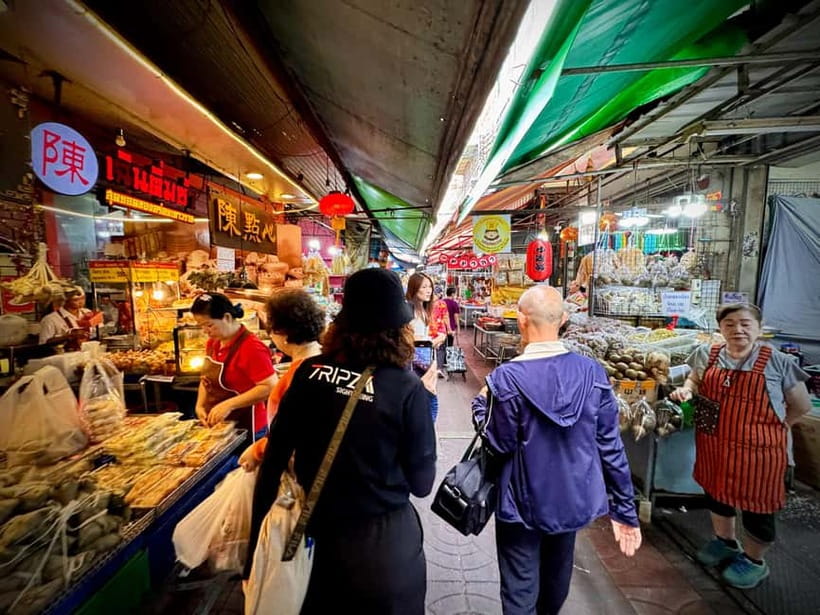
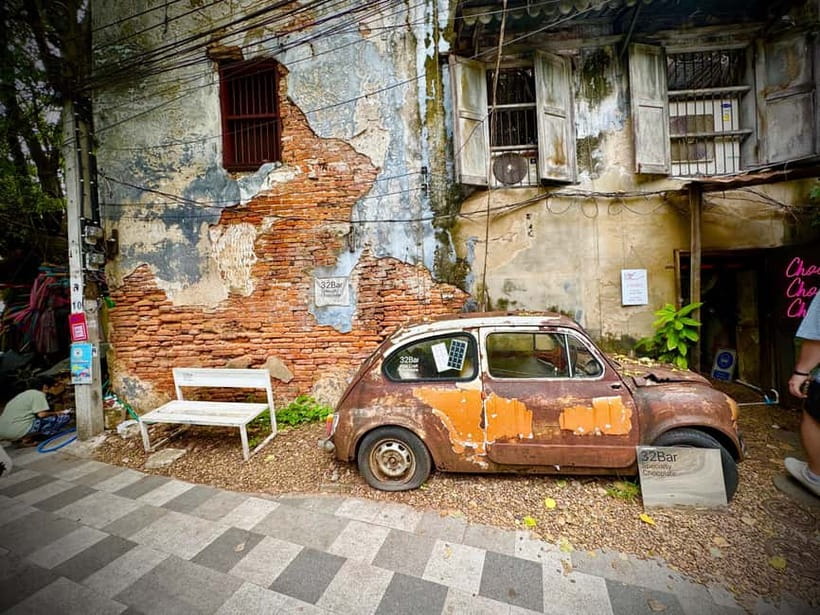
After Chinatown, you shift to Talat Noi, spending about 2.5 hours there with guided walking and free time. The center of attention is Talad Noi’s historic ironworks alleys, tied to Chinese craftsmen who forged metal tools. This is where the tour becomes more hands-on in spirit, because you get the idea of work and skill shaping the neighborhood’s layout.
You will likely notice how older streets can feel designed for tradespeople. Side alleys matter. Narrow lanes make sense when you imagine equipment moving through the area. A guide helps you read the street as a record of labor, not just a backdrop for photos.
If you are interested in how migration and business shape city planning, this section is especially rewarding. It shows you that commerce is not an abstract concept here. It is street-level reality, built into the neighborhood’s shape.
Talad Noi Community Museum and street art you can read
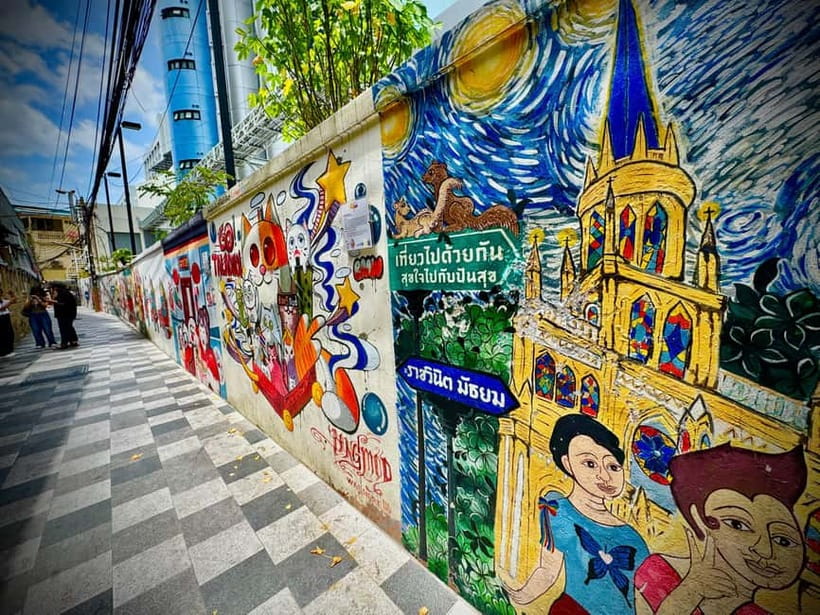
One highlight is the Talad Noi Community Museum, paired with time to explore colorful street art. This stop works because it connects the present to the past. You get art, yes, but you also get a framework for what the art is responding to: identity, memory, and neighborhood change.
Street art in Bangkok often works like commentary, not decoration. With a guide’s explanations, you start noticing themes and messages that you might otherwise miss. The bonus is that you also get hidden shrines tucked between old buildings, which adds that “blink and you miss it” feeling in a good way.
This is also a section where your guide can tailor the walk a bit. In past groups, guides like Mai and Mariyah have been praised for being attentive and friendly, with plenty of time for questions, and for customizing the route to people’s interests.
Finishing at River City Bangkok: plan lunch or a boat ride
Your tour ends at River City Bangkok, right on the banks of the Chao Phraya River. I like this ending because it is not a dead end. You can grab a riverside lunch, keep walking along the riverfront, or use the location to line up a scenic boat ride.
It is a smart wrap-up for a half-day. After temple interiors and alley walking, water views feel like a reset button for your brain. Plus, it is easy to keep moving through Bangkok from a major riverside hub.
Price and time: why $19 can feel like a deal here
At $19 per person for a 4-hour guided experience, this is priced like a value tour, not a luxury day. The math only works if you actually use the guide, and this tour is built for that.
You get an English-speaking, fully licensed guide plus a bottle of water. With the number of meaningful stops packed into the route, you are paying for context. That context is the difference between seeing a building and understanding why it matters. Guides from recent groups, such as Jenny and Nok, are often praised for clear explanations and for sharing practical advice while walking through markets.
Also, the fact that meals are not included can be a plus. You can eat exactly what you want at street stalls or decide on a sit-down lunch near the river when you are done. You control the food budget instead of being locked into a set meal.
Who this tour fits best, and who should think twice
This tour suits you if you like city neighborhoods with personality. It is great for travelers who enjoy walking, street-level details, and learning how communities formed and stayed connected over time.
It is also a good pick if you want Thai-Chinese heritage explained in human terms, not only in museum facts. Past guides have been praised for patience and flexibility, and people have highlighted how their guides adapted to preferences, even customizing for introverted travelers who still want to understand what they are seeing.
The tour is not suitable for pregnant women and wheelchair users. It also makes sense to be cautious if you have mobility limits, because it is a walking itinerary.
If you come on a hot day, be ready for sun exposure and uneven pavement. Comfortable shoes are not optional here.
What to bring, and how to enjoy the walking part
Plan for the basics and you will have a smoother day. Wear comfortable shoes and light clothing. Bring a hat and sunscreen, and carry your own water bottle even though you will get one bottle of water from the tour.
I also suggest you travel with a light daypack. You will likely want space for sunscreen, tissues, and your phone. If you plan to buy snacks or small items along the way, a bag keeps your hands free and reduces stress when you are navigating narrow lanes.
For photos, keep your phone ready during temple and shrine stops, but slow down in markets. The best shots usually come from noticing where people naturally pause, then waiting for your moment.
Should you book this Chinatown and Talad Noi guided walk?
If you want a short, structured way to understand Bangkok’s Chinatown and Talad Noi as living neighborhoods, I think this is a strong choice. The big value is the combination of places that feel connected, not random checkmarks. You also get real stories about immigration, commerce, and community life, plus a guide who can answer questions in plain English.
Book it if you like walking, street art, temples, and markets, and you want your afternoon to end riverside at River City Bangkok with options for lunch or a boat ride. Skip it if you need a low-walking day, or if mobility and comfort limitations make alley walking hard for you.
FAQ
Where do I meet the guide?
Meet your tour guide at MRT Wat Mangkon Exit 3.
How long is the tour?
The tour lasts 4 hours.
What is included in the price?
The tour includes a fully licensed English speaking guide and a bottle of water.
What is the tour language?
The tour is conducted in English.
Where does the tour end?
The tour ends at River City Bangkok, on the banks of the Chao Phraya River.
Is hotel pickup available?
Pickup is optional. If you choose it, you should wait in the hotel lobby at least 5 minutes before your scheduled pickup time. Your guide will pick you up and hold a sign with your name.
What should I bring?
Wear comfortable shoes and light clothing. Bring a hat and sunscreen, and carry a water bottle to stay hydrated.
FAQ
Can I cancel for a full refund?
Yes. You can cancel up to 24 hours in advance for a full refund.
Is the tour suitable for everyone?
No. It is not suitable for pregnant women or wheelchair users.
More Tours in Bangkok
More Tour Reviews in Bangkok

Deeper Into Yaowarat

Just In: Fresh Bangkok Reviews
Chinatown Tours, compared.
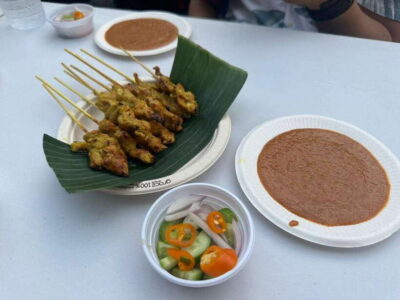 ★ 4.9Bangkok Authentic Tasting Thai-Chinatown Walking Food TourFrom $43852 reviews
 ★ 4.3Tuk Tuk Adventure Chinatown Michelin Food & TemplesFrom $18725 reviews
 ★ 5.0Bangkok Tuk-Tuk Tour by Night with Chinatown Street Food MealFrom $40635 reviews
 ★ 5.0Bangkok by Night Food Tour with 10+ Tastings in ChinatownFrom $46545 reviews
 ★ 4.6Bangkok Tuk-Tuk by Night with Chinatown Street Food MealFrom $40263 reviews
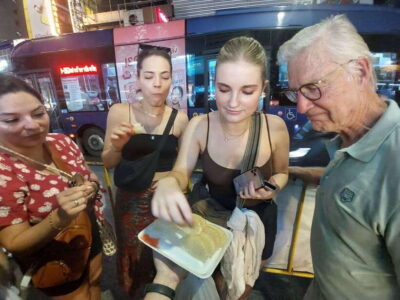 ★ 4.8Chinatown Food Tour with Michelin Food StallsFrom $36226 reviews
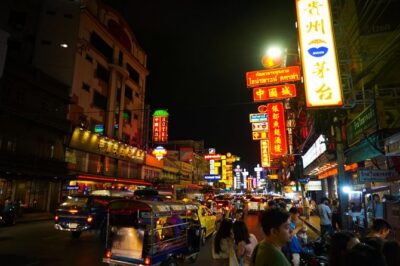 ★ 5.0Bangkok Night Michelin Foodie Tour in Chinatown with 15+ tastingsFrom $56189 reviews
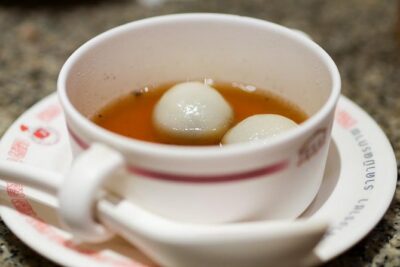 ★ 5.0Night Street Food Tour of Bangkok’s ChinatownFrom $58173 reviews
Browse the lists this tour appears in