
Review · CHINATOWN TOURS
Bangkok: Chinatown By Night Walking Tour
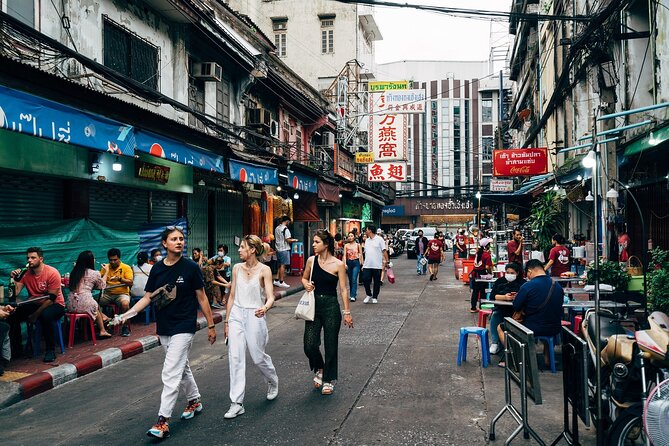
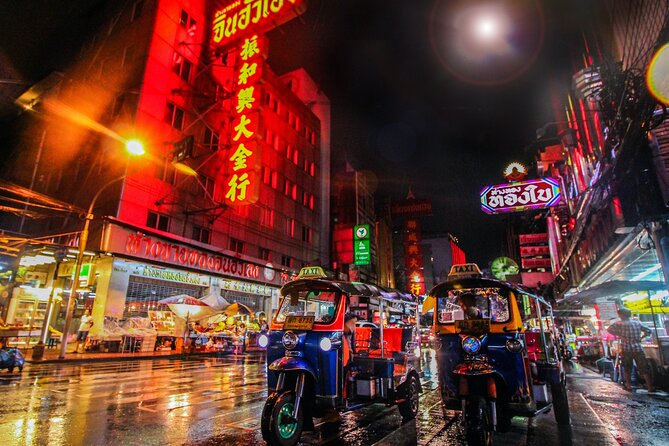
Chinatown looks different after dark. This 2-hour walk in Bangkok pairs neon street life with real stories about Chinese-Thai communities, from the gold trade to historic shrines. You get a clear route, a guide who keeps the group moving, and night sounds that make every alley feel like its own tiny episode.
What I like most is the storytelling. Guides such as Nam, Jimmy, Tony, Kim, Bass, and Dan are described as engaging and passionate, and that matters when you are navigating crowded lanes and trying to connect what you see with why it exists. I also like the built-in food focus, with stops at market-style streets and chances to taste popular Thai street food and even Chinese herbal drinks.
One drawback to plan for: headphones are not included, and entry to attractions is not included either. That means you’ll likely listen in the open air, and you may only view some sites from outside rather than paying your way into everything.
Key points to know before you go
- Local expert storytelling that turns Chinatown signs, shops, and temples into an easy-to-follow narrative.
- Food tastings along the route, plus guidance on what to try and where to find it after the tour.
- Historic stops in Talat Noi and along the Chao Phraya, including So Heng Tai Mansion and Zhou Si Kong Shrine.
- A set 6:30 pm evening start that fits a night schedule, with the tour returning to the meetup point.
- Max group size of 99, so it is big enough to meet lots of people but still manageable on foot.
Why Bangkok Chinatown by night feels worth your time
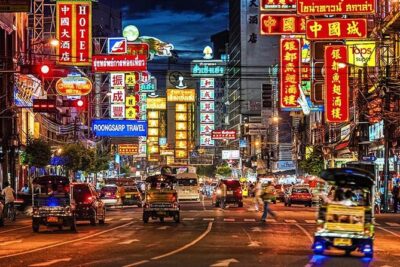
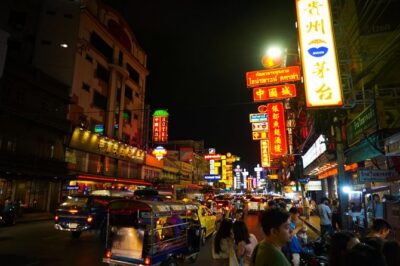
If you only experience Chinatown in daylight, you miss half the personality. At night, the streets around Yaowarat Road and Talat Noi shift into something more sensory: signage, shopfront glow, and the constant movement that comes with evening shopping and food.
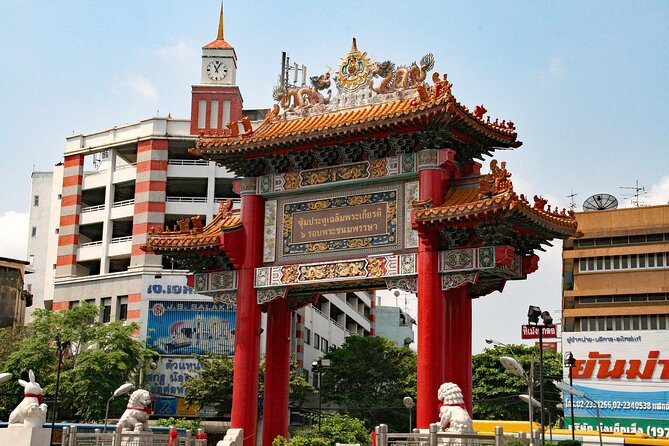
This tour is interesting because it is not just a walk for photos. It explains the gold trade backdrop, helps you spot landmark-style sites such as the Chinatown Gate, and then threads those big themes through older community places. You end up with a route that makes sense, rather than a blur of dark streets and random temples.
I also like that the pacing is designed for real people. One family noted their guide Tony paid attention when someone struggled with the heat, which is a good sign if you want a tour that can respond when conditions get uncomfortable.
Deeper into Yaowarat after dark
- Bangkok Authentic Tasting Thai-Chinatown Walking Food Tour
★ 4.9 · 852 reviews - Bangkok: Tuk Tuk Adventure Chinatown Michelin Food & Temples
★ 4.3 · 725 reviews - Bangkok Tuk-Tuk Tour by Night with Chinatown Street Food Meal
★ 5.0 · 635 reviews
Price at a glance: $15 for a focused 2-hour night walk
At $15 per person for about 2 hours, this is priced like a practical entry ticket into Chinatown. You are paying for a local expert to connect the dots: why an old mosque exists in a surprising style, what an old market alley represents, and how Chinese community buildings fit into Bangkok’s story.
The value gets even better because the tour includes more than the walking portion. You also get 3 free self guided tour experiences in the Vox City app. That means you are not only spending the time that night, you are also collecting extra ideas for later.
Two things to keep balanced in your expectations. First, headphones are not included, so you should rely on your own ability to hear in busy streets. Second, entry to attractions is not included, so you might not be paying extra for tickets during the walk, but you also may not go inside every stop.
Meeting point and timing: starting from Hua Lamphong Rong Muang
The tour starts at 6:30 pm and ends back at the meeting point, so you can plan your evening without a complicated last leg. Your meetup address is Hua Lamphong Rong Muang, Pathum Wan, Bangkok 10330, Thailand, and the start is noted as being near public transportation.
Because it is a mobile ticket experience and confirmation is received at booking, you’ll want to have your phone ready before you arrive. One guest also noted meeting at an exit near the Hua Lamphong area, so it is smart to double check the exact meetup instructions you receive.
Comfort tip for this time slot: Chinatown at night can still feel crowded, and a 2-hour walk adds up. Wear shoes that handle uneven pavement and tight sidewalks, and bring a light layer because evenings in Bangkok can shift quickly.
Walk route breakdown: what each stop is really doing for your understanding
This is a “sequence matters” kind of tour. Each stop adds a different piece of the Chinese-Thai night puzzle, from community preservation to religious life to historic residential architecture.
Bangkok at walking pace, more routes
Old community museum: Chareon Chai Community
The tour starts with an old house turned into a community museum. The point here is simple: it preserves the history, culture, and way of life of the Chareon Chai Community. This is one of the best early stops because it helps you read the rest of Chinatown as more than scenery.
What to look for:
- how the community is framed through place
- the idea of preservation, not just sightseeing
Potential drawback: since it is a museum housed in an older structure, it may not be the most spacious spot for a large group to pause for photos.
Old mosque with a European villa style
Next is an old mosque built in an unusual style, described as resembling a European villa. This stop is valuable because it challenges the assumption that religious buildings must follow only one template. Chinatown’s story is not one single thread, and this kind of contrast helps you see the blending of influences.
What to look for:
- how the building’s style stands apart from what you might expect
- the way the tour uses architecture to explain cultural mixing
Potential drawback: if you are expecting a tour focused only on Chinese sites, this stop widens the lens.
Chinatown’s Old Market, Talat Kao
Then you enter Chinatown’s Old Market, also called Talat Kao, a long narrow alley off Yaowarat Road. This is where the night energy makes sense. A narrow alley market layout turns walking into a slower, more attentive experience, and it is easier to understand why street commerce is such a central part of Chinatown life.
What to look for:
- how a long alley creates a natural flow through stalls
- how the guide connects food and everyday trading to the larger cultural picture
Potential drawback: narrow lanes can feel tight with a group, so keep a comfortable buffer from the people in front of you.
Small riverside temple near the Marine Department orange express line
A small temple appears near the Marine Department station of the Chao Phraya orange express line, visible from the riverside. This stop adds a different Bangkok angle: Chinatown is not sealed off from the river world. You get a reminder that waterways shape how people move and how communities develop.
What to look for:
- the temple’s riverside visibility and the way the river area changes the atmosphere
Potential drawback: it is a quick visual connection, so if you want long indoor time at stops, this part may feel brief.
So Heng Tai Mansion, a 19th-century courtyard house
Next is So Heng Tai Mansion, described as a nineteenth-century Chinese courtyard house in the historic neighbourhood of Talat Noi. Courtyard houses are a powerful way to understand how families and daily life were organized, because the architecture creates space and rhythm.
What to look for:
- how the courtyard concept affects layout and privacy
- why Talat Noi gets singled out on this route
Potential drawback: if you are hoping for lots of interior access, remember that entry to attractions is not included, so your time may be mostly viewing and listening rather than touring inside.
Old royal monastery established during the Ayutthaya era
After that, you see an old royal monastery established during the Ayutthaya era. This connects the Chinatown story to older Thai historical layers, and it helps you understand that the city’s Chinese community story exists inside a much bigger timeline.
What to look for:
- how the tour links eras of Bangkok to the religious landscape you see at night
Potential drawback: monastery areas can involve quiet space and respectful behavior, so be ready to lower your voice and move thoughtfully.
Zhou Si Kong Shrine on the Chao Phraya River
The final listed religious stop is Zhou Si Kong Shrine, described as about 200 years old and along the Chao Phraya River. It is suitable for worshiping for good luck, good health, no illness, and strength throughout the year. This stop is where the guide’s storytelling style really matters, because the purpose of the shrine is not just visual. It is about prayers and intentions.
What to look for:
- the shrine’s role in personal hopes and yearly wishes
- how the tour uses this stop to close the evening loop with meaning
Potential drawback: near the river, conditions can be breezy. If you are sensitive to wind at night, bring a light layer.
Street food tasting: how to plan without getting caught off guard
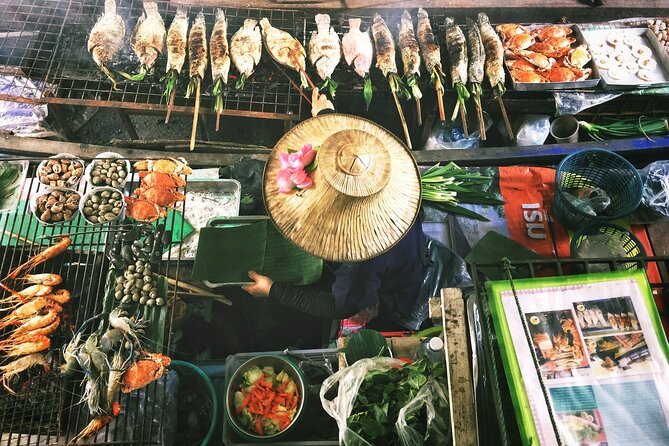
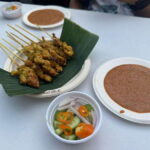
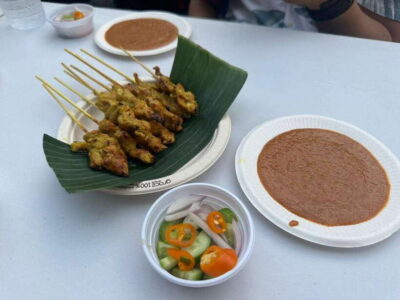
The tour includes tasting some of the popular Thai street food, and the route runs through market-style streets where food culture is the main event. That said, the details you can count on are tastings and guidance, not a guarantee that everything is free.
In the notes from past groups, people were taken to multiple food stalls and had opportunities to purchase and try. So if you have a big appetite, you’ll likely want extra spending budget ready.
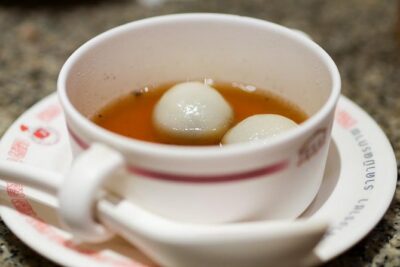
Also, one review mentioned Chinese herbal drinks. That tells you the tasting is not limited to one flavor category, and you may get a broader snack and beverage range than you expected.
Practical approach for food tastings:
- go with an open mind and be ready for small portions
- ask your guide what is easiest to try first
- bring water if you know spicy food affects you
The guide factor: why names like Nam, Jimmy, Tony, Kim, Bass, and Dan matter
A night walk lives or dies by your guide. Here, the repeated pattern is clear: passionate, engaging storytelling. People used words like engaging and kind, and they praised guides for guiding safely, helping when someone needed attention with heat, and showing them small streets out of the beaten path.
I like that guides are not only recounting facts. The best guides point out what you would miss: hidden signs, small side lanes, and the cultural meaning behind what you see. For example:
- Nam is described as having a passionate way of talking.
- Jimmy is credited with helping people learn about food in Chinatown.
- Tony is highlighted for kindness and for stepping in when someone was struggling with the heat.
- Kim is praised for sharing history and culture of Thai-Chinese people.
- Bass and Dan get mentioned for food introductions, safety, and attention to lesser-known streets.
If you care about a tour that feels like a conversation, not a lecture, this is the kind of guiding style to look for.
What to bring for a comfortable night in Yaowarat and Talat Noi
Because headphones are not included, your comfort depends on your ability to hear your guide in a lively street setting. The best move is to arrive ready to listen, not expecting a quiet audio system.
Bring:
- comfortable shoes for walking and tight lanes
- a light layer for evenings
- water, especially if you run hot
Also, set expectations that some stops may be best for observing rather than entering. Since entry to attractions is not included, the tour’s value is in seeing and understanding, not checking off ticketed sites one by one.
Photography tip: night shots are easiest when you pause at the right moment. The route includes several landmark type places, such as Chinatown Gate and historic buildings, so if you want photos, keep your camera accessible and be ready when your guide calls you over.
Group size, crowd reality, and how to get through the lanes
The maximum group size is 99, which means the walk can feel like a lively cluster. That does not automatically mean chaos, but it does mean you should keep your place, listen for stop points, and avoid drifting far from the group.
Crowds are part of Chinatown at night. You will be walking through an active area with people buying food and browsing shops. If you are sensitive to crowds, choose a calm mindset and use your guide for direction.
What helps most: follow the guide quickly at each stop and let them lead the spacing. It keeps you from getting stuck behind someone who stops for photos late.
Should you book Bangkok Chinatown by Night?
Book it if you want:
- a 2-hour evening plan that fits a night schedule
- a route that connects Temples, markets, and historic homes instead of jumping randomly
- someone to explain the big themes like the gold trade and what Chinatown Gate represents
- street food tastings with guidance, plus extra ideas via the Vox City app tours
Skip it or reconsider if:
- you want headphones or a low-noise experience
- you plan to pay for many attraction entries during the walk, since entry is not included
- you dislike crowded sidewalks and tight market lanes, even with a guide handling the flow
For most people, this is a solid value play. $15 for a guided story-led night walk, plus app add-ons, is a smart way to understand Chinatown fast without turning your evening into a map-reading contest.
FAQ
How long is the Bangkok Chinatown by Night walking tour?
The tour lasts about 2 hours.
How much does the tour cost?
It costs $15.00 per person.
What time does the tour start, and where is the meeting point?
It starts at 6:30 pm. The meeting point is Hua Lamphong Rong Muang, Pathum Wan, Bangkok 10330, Thailand.
What is included in the tour?
The tour includes a Chinatown walking tour, local insights and expert storytelling, and 3 free self guided tour experiences in the Vox City app.
What is not included?
Headphones and entry to attractions are not included.
How large is the group?
The tour has a maximum of 99 travelers.
What is the cancellation policy?
You can cancel for free up to 24 hours in advance for a full refund. If you cancel within 24 hours of the start time, no refund is provided.
More Tours in Bangkok
More Tour Reviews in Bangkok

Deeper Into Yaowarat

Just In: Fresh Bangkok Reviews

Chinatown Tours, compared.
 ★ 4.9Bangkok Authentic Tasting Thai-Chinatown Walking Food TourFrom $43852 reviews
 ★ 4.3Tuk Tuk Adventure Chinatown Michelin Food & TemplesFrom $18725 reviews
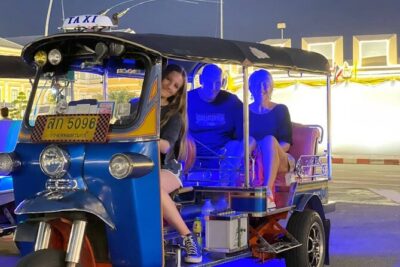 ★ 5.0Bangkok Tuk-Tuk Tour by Night with Chinatown Street Food MealFrom $40635 reviews
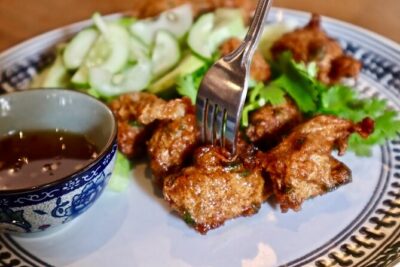 ★ 5.0Bangkok by Night Food Tour with 10+ Tastings in ChinatownFrom $46545 reviews
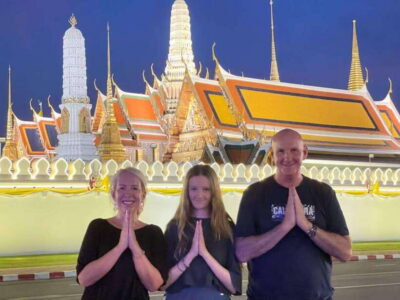 ★ 4.6Bangkok Tuk-Tuk by Night with Chinatown Street Food MealFrom $40263 reviews
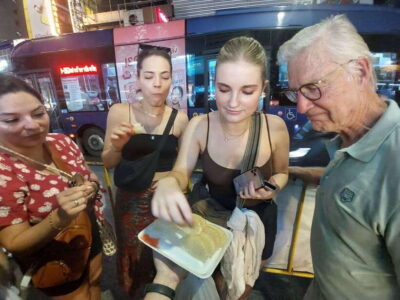 ★ 4.8Chinatown Food Tour with Michelin Food StallsFrom $36226 reviews
 ★ 5.0Bangkok Night Michelin Foodie Tour in Chinatown with 15+ tastingsFrom $56189 reviews
 ★ 5.0Night Street Food Tour of Bangkok’s ChinatownFrom $58173 reviews
Browse the lists this tour appears in