
Review · KANCHANABURI & RIVER KWAI
Bangkok: Bridge on the River Kwai and Thailand-Burma Railway Tour
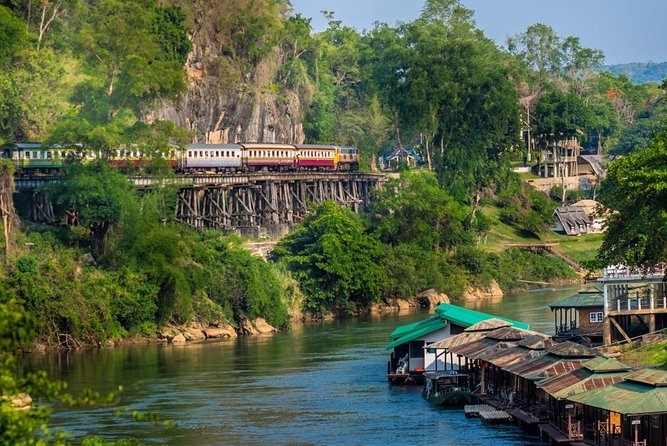
The River Kwai isn’t just a movie set. This day trip strings together boat, train, and two solemn WWII stops, all with a Thai guide who explains what you are seeing and why it matters.
Two things I especially like: the mix of motion and stillness. You get a long-tailed speedboat ride through river scenery, then you slow down at the cemetery and the JEATH War Museum. Second, I like the practical pacing of a small group tour (up to 15) with hotel pickup and drop-off, plus lunch with your group in Kanchanaburi.
One drawback to consider: the day is long and can feel longer in Bangkok traffic. You are also likely to have that THB300 train seating fee come up at the station, so plan for that cost when you budget.
Key things to know before you go
- Hotel pickup timing can be early: pickup may be 30 to 60 minutes before the 7:00 am start, depending on where you stay.
- A real train ride across the Death Railway: you are not just looking at the bridge from a viewpoint.
- Two major memorial stops: Kanchanaburi War Cemetery and the JEATH War Museum, both focused on POW experiences related to the railway.
- Lunch is included, but drinks are not: buffet lunch comes with the tour, beverages do not.
- Seat “guarantee” is separate: expect a THB300 fee paid on the spot at the train station, tied to better comfort.
- Mobility workaround exists: if boarding the long-tailed boat is an issue, the guide can arrange travel by road to reach the bridge area.
The real story behind the Bridge on the River Kwai
If you only know the Bridge on the River Kwai from film, this trip helps you reset your mental picture. The famous span is part of the WWII “Death Railway” built under brutal conditions from 1942 to 1943. Your guide frames the day so the bridge is not just a landmark. It becomes a warning sign of what happens when people are treated as tools.
The emotional weight starts early. You visit the bridge area first, then you move through the river landscape, and later you get to the cemetery and museum. That order matters. By the time you are reading names on headstones, you have already been shown the physical setting where the railway would have cut through jungle and river life.
Out to the River Kwai, more Kanchanaburi trips
- From Bangkok: Erawan Park & Kanchanaburi Small-Group Tour
★ 4.5 · 1,582 reviews - From Bangkok: Historical Day Tour to River Kwai
★ 4.6 · 868 reviews - Bridge on the River Kwai and Thailand-Burma Railway Tour
★ 4.5 · 658 reviews
The long commute out of Bangkok (and why it can be worth it anyway)
This is an 11-hour outing, and the schedule has one big reality check: Bangkok traffic is not polite. Even though the tour runs “clockwork” for most people, the return trip can still get slow.
The upside is that the tour includes air-conditioned vehicle transport and centrally located hotel pickup and drop-off. Pickup is typically available from most central Bangkok hotels, but your pick-up window could be 30 to 60 minutes before the 7:00 am start time. One small but important detail: you must provide your hotel details when booking. If you do not, the tour can be cancelled.
Morning at the bridge: where your guide makes it click
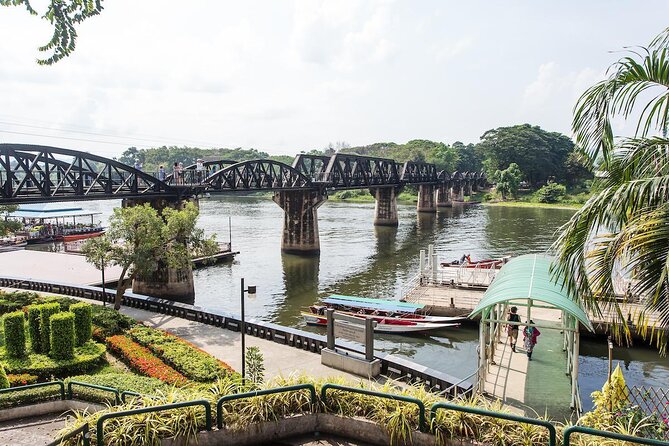
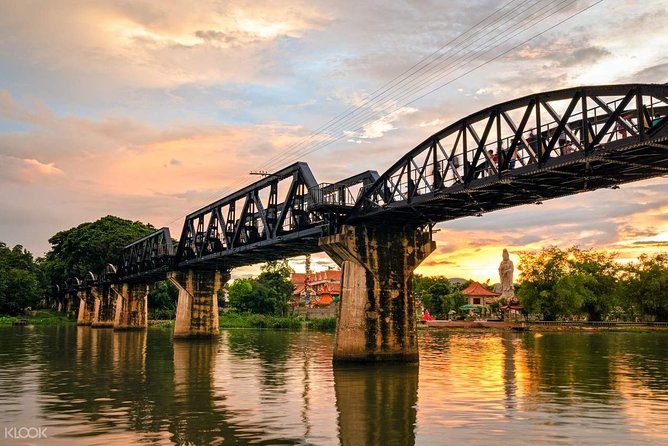
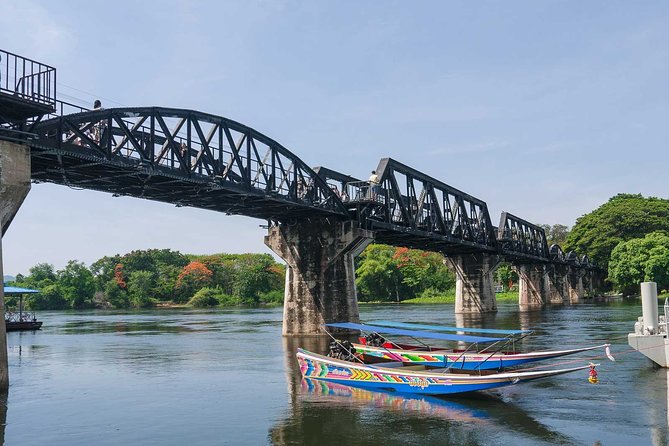
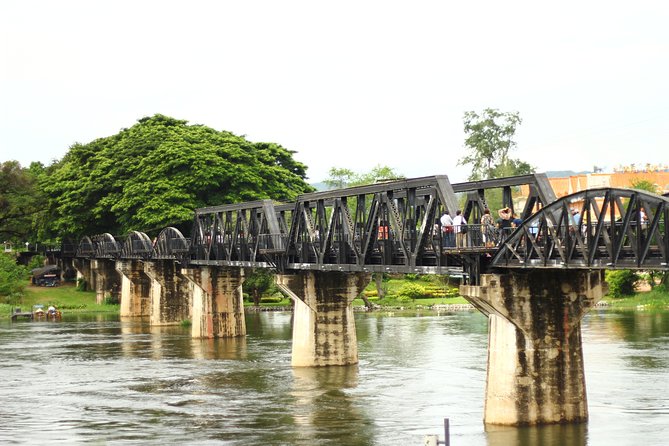
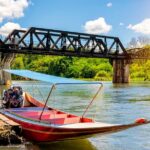
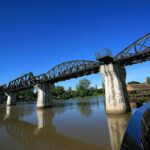
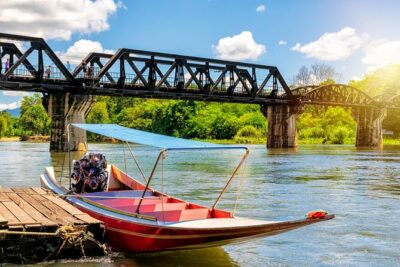
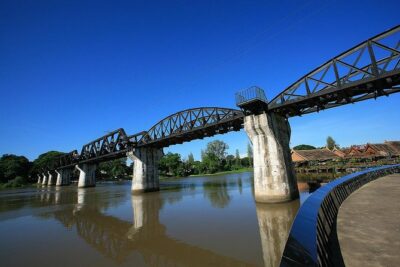
Your first stop is the River Khwae Bridge itself. The bridge is what most people come for, whether they connect it to Pierre Boulle or the 1957 film. But the value here is the context you get along the way, including how the railway related to POW and forced labor.
You get about one hour at the bridge area. That is enough time to walk, take photos, and read the key explanations without turning it into a rushed photo sprint. Still, remember this is a WWII site with a heavy theme. If you want a quieter moment, build in extra time for looking, not only shooting.
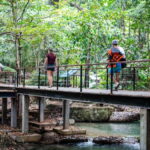
One practical note: some walking surfaces can be uneven in outdoor areas, so comfortable shoes help.
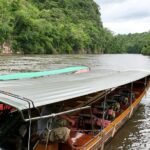
Long-tailed speedboat ride on the River Khwae: scenery plus perspective
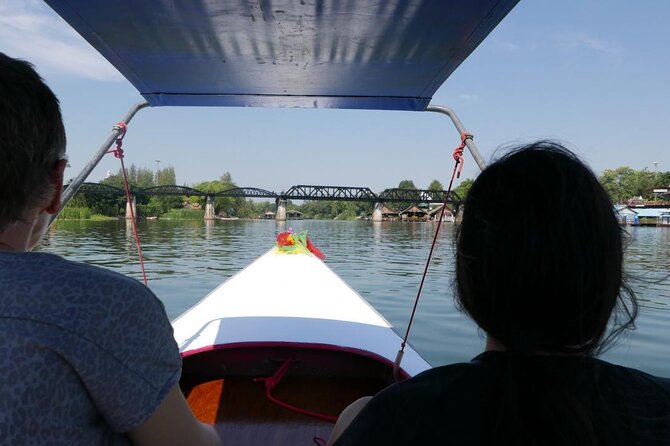
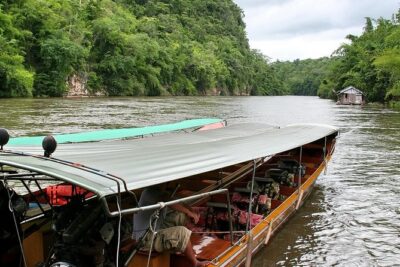
A big part of why this tour feels different from a straight bus-and-museum day is that you spend serious time on the River Khwae area. The itinerary sets aside several hours, and that is where the long-tailed speedboat ride fits in.
This is your “breathing space” between the bridge and the more intense memorial stops. The water, the jungle feel, and the pace of the boat make the landscape feel alive. And that matters, because the railway story is not abstract. These tracks were forced through a living environment.
If you are sensitive to boat boarding, there is a built-in workaround. The tour notes that mobility issues can make it difficult to get into or out of the long-tailed speedboat, and the guide can arrange reaching the bridge by road instead.

Kanchanaburi lunch: a break with a view
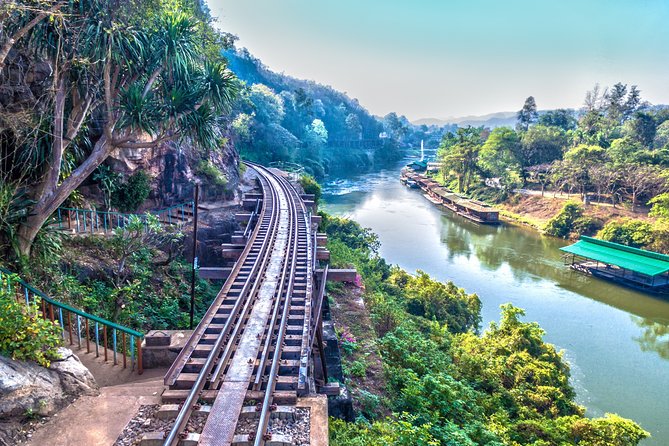
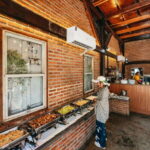
You will have lunch with your tour group in Kanchanaburi. Lunch is a buffet lunch included in the tour, and it is timed so you can refuel before the cemetery and museum portion.
More than one person has commented on the lunch setting and the view across the river. That does not make the day lighter, but it makes the break feel like part of the experience rather than a random stop.
A quick budgeting reminder: lunch is included, but beverages are not included. If you drink a lot of bottled water or iced drinks, plan for those costs.
The Kanchanaburi War Cemetery: names, ages, and the kind of silence that hits
The Kanchanaburi War Cemetery is one of the main prisoner of war cemeteries for victims of Japanese imprisonment tied to the Burma Railway. This is not a “see it, move on” stop. It is the kind of place where you find yourself slowing down because the details are the point.
You get about 30 minutes here. That time can feel short if you stop to read epitaphs. The cemetery is described as very well maintained, and reading names and dates has made people emotional, even tearful. One review mentioned the shock of seeing how young some of the people listed were. Another mentioned coming across a potential relative in the cemetery, which is exactly why this stop lands so hard.
If you want to make the most of it, do two things:
- Pick one or two headstones to read carefully.
- Do not treat this as a checklist stop. Let the place do the talking.
JEATH War Museum: a short visit with specific POW focus
After the cemetery, you visit the JEATH War Museum. It is a small museum that opened in 1977, and it focuses mainly on the terrible ordeals of the POWs who built the Death Railway.
You get about 20 minutes. That is plenty to understand the theme and browse photos, letters, and drawings that show harsh living conditions. The museum is also where your guide’s storytelling can really help. People have praised guides such as Rach and Oom for connecting the exhibits to what the sites represented.
A fair heads-up: some people found the museum could use upgrades. But even with that critique, the materials and photos are still what you are there for, and the museum still delivers a focused POW perspective.
Riding the Death Railway train: one of the day’s most memorable parts
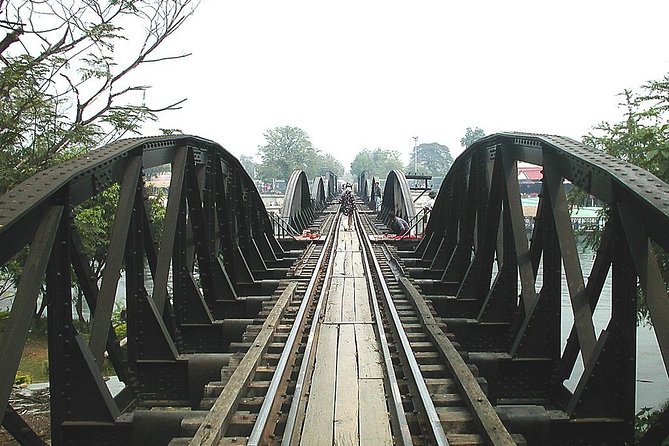
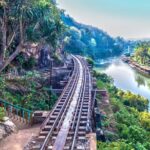
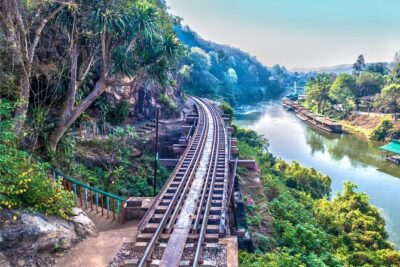
One of the highlights of this tour is the train ride along the Death Railway, including travel across the bridge. It is one thing to see the bridge by foot, but riding over that corridor in a train carriage turns the geography into something real.
The practical issue is the train seating fee. The tour info notes a mandatory fee for a seat on the train of THB300 per person, paid on the spot at the train station. The fee is described as a way to guarantee a seat and includes tea or coffee, drinking water, cold towel, and a certificate.
Here is how to handle it calmly:
- Plan on paying THB300 at the station.
- If someone tells you a higher number, ask for clarity right then, since the tour materials describe it as THB300 for guaranteed seating.
- If you want a seat so you can rest and take in the views, this fee is usually worth it compared to standing for long stretches.
Also, you are more likely to enjoy the ride if you treat it like an experience, not just transport. Bring your camera-ready mindset for the scenery and the fact that you are moving along one of WWII’s most infamous routes.
Guides make or break the day, and yours can be fantastic
This is the kind of tour where the guide matters. People consistently highlight that the guides are the ones bringing the day together, not just driving between stops.
Names you may encounter include Rach and Oom. Reviews mention guides who:
- keep the group on schedule with ample breaks
- answer questions about the conflict and the roles of different parties
- take photos for the group
- use humor at the right moments without disrespecting the subject
If your guide explains things at a good pace, the day stops feeling like a “transport package” and starts feeling like a story you can actually follow. And because this topic is heavy, that guidance helps you avoid confusion.
How physically demanding is it?
This is not a hiking tour, but it is not a couch tour either. You spend time walking around bridge and memorial areas, plus you deal with outdoor surfaces and boat access.
A couple practical tips:
- wear comfortable shoes for uneven or outdoor ground
- bring a light layer, since river areas can feel cooler or breezier
- if you have mobility concerns, mention it at the start of the tour, because there is an option to reach the bridge by road instead of using the boat
The day can feel tiring mainly because it is long, not because it is extreme.
Who should book this tour, and who might prefer a different plan
This tour is a strong match if you want:
- an organized way to see the bridge, cemetery, museum, and the train ride in one day
- a guide who connects the physical sites to the WWII story
- a blend of movement (boat and train) plus memorial stops
You might skip or compare alternatives if:
- you hate long travel days, because Bangkok traffic can extend the return
- you want maximum time at each memorial site, since the cemetery and museum are relatively short stops
- you strongly prefer to control costs in advance, because the THB300 train seating fee is paid separately at the station
Should you book? My decision checklist
I think you should book this tour if you want one day that covers the big “Kwai” essentials in a way that is structured and guided. The value is in the full package: hotel pickup and drop-off, air-conditioned transport, long-tailed speedboat ride, train along the Death Railway, lunch buffet, and entrance fees.
Before you go, do these three things:
- Budget for the THB300 train seating fee.
- Confirm your pickup details using your hotel information at booking so you do not lose the day to last-minute changes.
- Wear shoes for outdoor walking and be ready for a long sit-and-go day.
If you want a meaningful day that balances views and remembrance, this is a solid choice. Just go in with the right mindset: this is not a casual sightseeing loop, it is a chance to see how a horrific human story played out on real ground.
FAQ
What time does the tour start in Bangkok?
The tour start time is listed as 7:00 am.
How long is the tour?
The duration is approximately 11 hours.
Do I get hotel pickup and drop-off?
Yes. The tour includes hotel pick-up and drop-off from centrally located Bangkok hotels.
Is lunch included?
Yes. You get a lunch buffet included. Beverages are not included.
What are the main stops during the day?
The day includes visits to the River Khwae Bridge, the River Khwae area, Kanchanaburi War Cemetery, and the JEATH War Museum, plus a train ride along the Death Railway.
Is there an extra fee for the train seat?
Yes. There is a mandatory fee for a seat of THB300 per person, paid on the spot at the train station. The fee is described as guaranteeing a seat and includes tea or coffee, drinking water, a cold towel, and a certificate.
How many people are in the group?
The tour has a maximum of 15 travelers.
Is a mobile ticket provided?
Yes. The tour includes mobile ticket.
What if I have mobility problems with the long-tailed boat?
The tour notes that you may have difficulty boarding the long-tailed speedboat. If so, you should advise your guide at the start, and they will arrange reaching the bridge by road instead.
Can I cancel for a full refund?
Yes. Cancellation is free, and you can cancel up to 24 hours in advance of the experience start time for a full refund.
More Tours in Bangkok
More Tour Reviews in Bangkok

Out to the River Kwai

Just In: Fresh Bangkok Reviews



Kanchanaburi & River Kwai, compared.
 ★ 4.5From Bangkok: Erawan Park & Kanchanaburi Small-Group TourFrom $591,582 reviews
 ★ 4.6From Bangkok: Historical Day Tour to River KwaiFrom $51868 reviews
 ★ 4.5Bridge on the River Kwai and Thailand-Burma Railway TourFrom $108658 reviews
 ★ 4.5Erawan Waterfalls and Bridge Over River Kwai Tour from BangkokFrom $56372 reviews
 ★ 4.5Bridge on the River Kwai and Thailand-Burma Railway Guided TourFrom $94353 reviews
 ★ 5.0Erawan Waterfall and Elephant Care: Private Tour to KanchanaburFrom $227339 reviews
 ★ 5.0Kanchanaburi Full Day Tour: River Kwai and Erawan FallsFrom $87327 reviews
 ★ 4.0Floating Markets and Bridge on River Kwai Tour from BangkokFrom $85253 reviews
Browse the lists this tour appears in