
Review · BANGKOK FOOD & STREET EATS
Authentic Street Food Tour in Chinatown I Bangkok
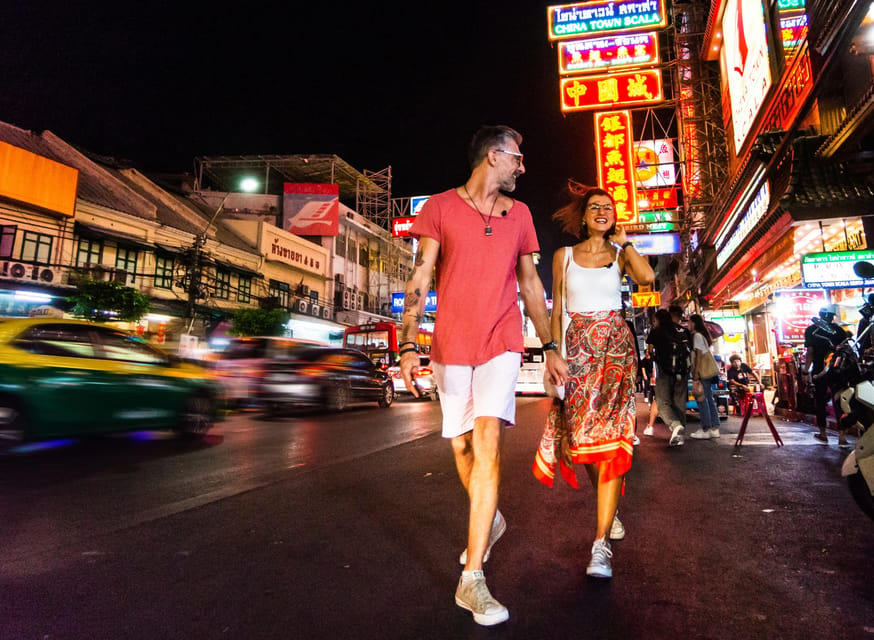
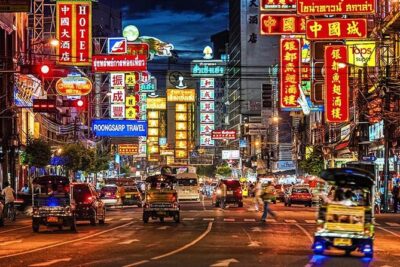
Night markets in Bangkok have a way of pulling you in. This Authentic Street Food Tour in Chinatown I Bangkok focuses on Thai-Chinese flavors around Yaowarat, plus a visit to an old Chinese shrine.
I like that the tour is built around real dishes people actually eat, including Chinese dumplings and grilled pork, not just snack-size samples. I also like the structure of the evening, starting at Wat Mangkon and then shifting into a slower walk where you see daily life and visit the Guan Yin Shrine. One drawback to consider: the experience depends heavily on the guide, and at least one past booking reported an English communication problem that made the tour feel less informative, especially when rain hit.
Key Points That Matter Before You Go
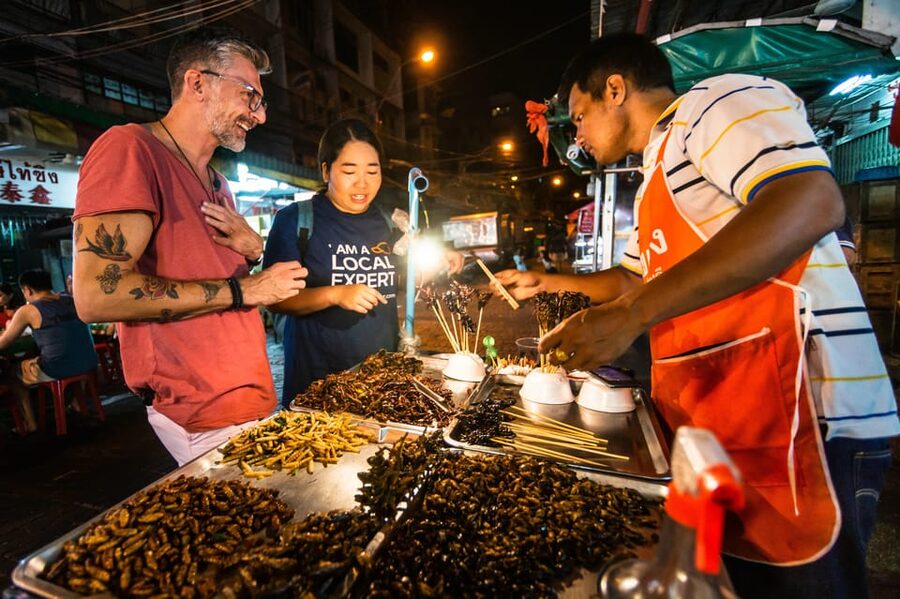
- Thai-Chinese Chinatown focus: You are eating where Bangkok’s Thai and Chinese communities overlap, centered on Yaowarat area food stalls.
- Guided tastings included: Food and drinks are part of the price, so you are not constantly deciding what to buy.
- Old shrine visit, not just food: You also walk to an old Chinese shrine to understand cultural significance.
- Evening pacing: The route starts in the early evening, then moves into a night walk with local life and temple time.
- Private group setup: The tour is listed as a private group, which usually helps with pace and comfort.
- Rain can affect time: If weather is bad, you may end up with less time than expected.
Chinatown Street Food Starts at Wat Mangkon MRT
The meeting point is practical: Wat Mangkon MRT Station, Exit 1. If you are using public transport, this is a good anchor point for an evening food outing because you avoid the stress of getting picked up by car, and you can arrive on your own schedule.
The timing matters. The tour starts at 19:00, with the first walking leg beginning around 19:15. That hour window is smart because Chinatown gets lively as the evening cools down, and many stalls are already serving. You should plan to be on time, because your group will be moving through backstreets and you want to avoid the awkward start-of-tour scramble.
Because the tour is listed as wheelchair accessible, the route is likely planned with general accessibility in mind, though you should still expect some uneven sidewalks typical of older city areas. The fact that wheelchair access is specifically noted is a good sign for comfort and planning.
Still hungry? More woks, stalls and night-market plates
- Bangkok: Backstreets Food Tour with 15+ Tastings
★ 4.9 · 2,880 reviews - Bangkok Backstreets Food Tour with 15+ Tastings
★ 5.0 · 1,926 reviews - Bangkok: Michelin Guide Street Food Tour by Tuk Tuk
★ 4.4 · 1,274 reviews
The 75 Minute Backstreet Food Run: How the Tour Feels
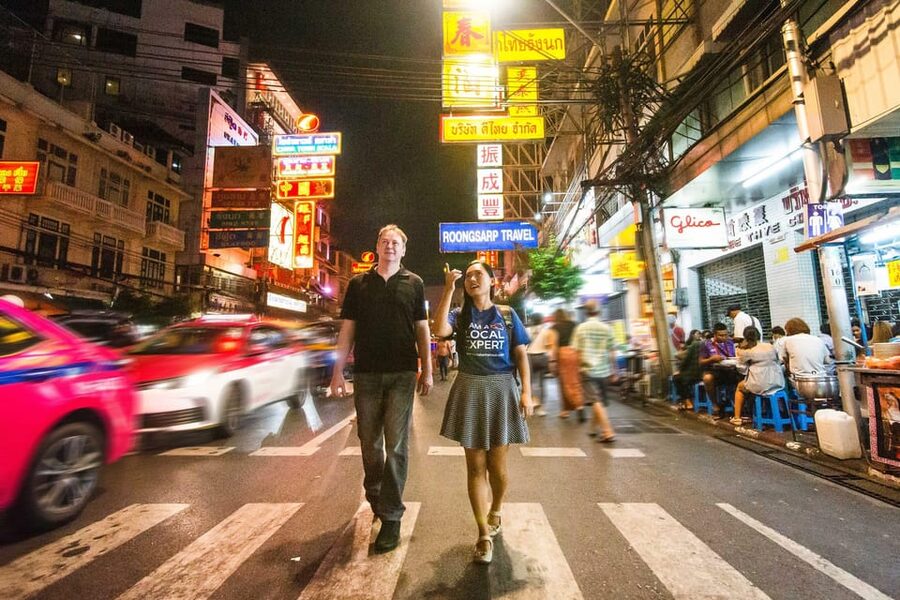
About 19:15, you head into Chinatown’s side streets. The core of the tour is 75 minutes of street food and market visiting, led by an English speaking guide. This portion is where you get the most value per minute, because the guide’s job is to bring you to good stalls and keep the group moving.
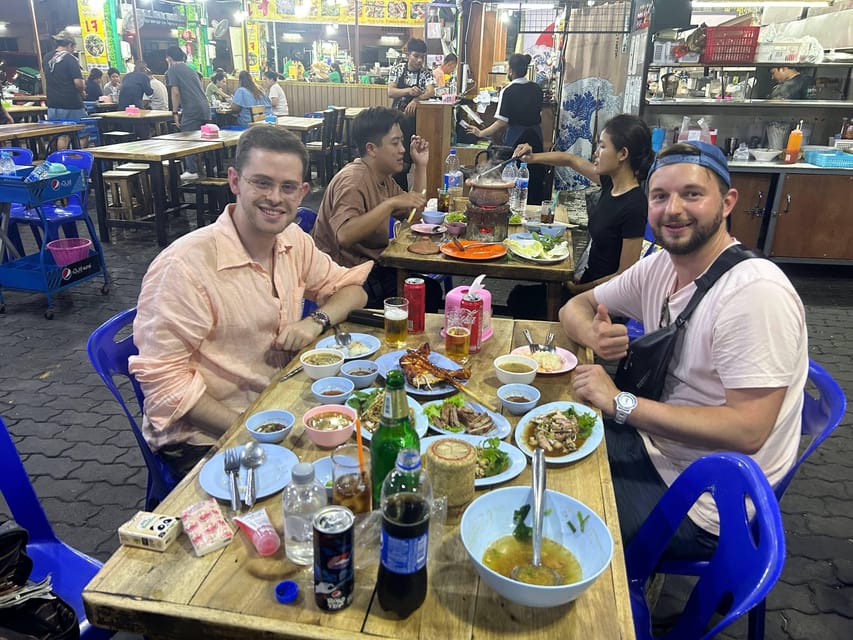
You can expect stops built around Thai-Chinese staples. The listed examples include grilled pork, dumplings, and Pad Thai. In other words, you are not confined to one cuisine style. This is one of the best ways to understand Yaowarat: you taste the food that shows up at the intersection of cultures, rather than treating Chinatown like a theme park of only Chinese dishes.
Here is how I’d think about this part if you like food tours but hate rigid tasting marathons. A 75 minute block is long enough to feel like an actual mini-food crawl, but short enough that you usually do not get sick of the group format. You also get to ask questions while the guide is still actively moving you between choices.
A possible consideration: if your guide’s language skills are weaker than promised, the food part can still be good, but you might lose the context. One past booking specifically called out an English issue with the guide named Ken. That does not automatically mean every guide will be the same, but it is a real reminder to set your expectations: this is a guided experience, so communication quality matters.
Dumplings and Grilled Pork: The Heart of the Thai-Chinese Mix
The tour highlights several classics, and two of them are especially useful for anyone trying to read Chinatown by food.
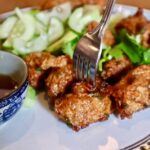
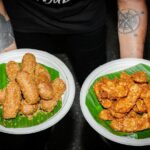
First up are Chinese dumplings. Dumplings tend to be a kind of “language” all by themselves. They show up in different shapes and cooking styles, and they often carry clear clues about regional influence and local preference. On this kind of tour, dumplings are also great because they let you compare textures and flavors without committing to one heavy meal.
Next, you get grilled pork. This is one of those foods that helps explain Thai-Chinese fusion in a straightforward way. You get salty, smoky, and savory notes that fit right into Bangkok’s street food rhythm. If you are the type of eater who wants one or two “anchor” dishes, grilled pork is a strong pick because it is satisfying and easy to judge across stalls.
Even better, the tour is described as including stories and origins of dishes. That is the difference between eating and learning. You are not just chasing salt and sugar, you are picking up why these foods show up together here.
Pad Thai in Chinatown: Familiar, Then Slightly New
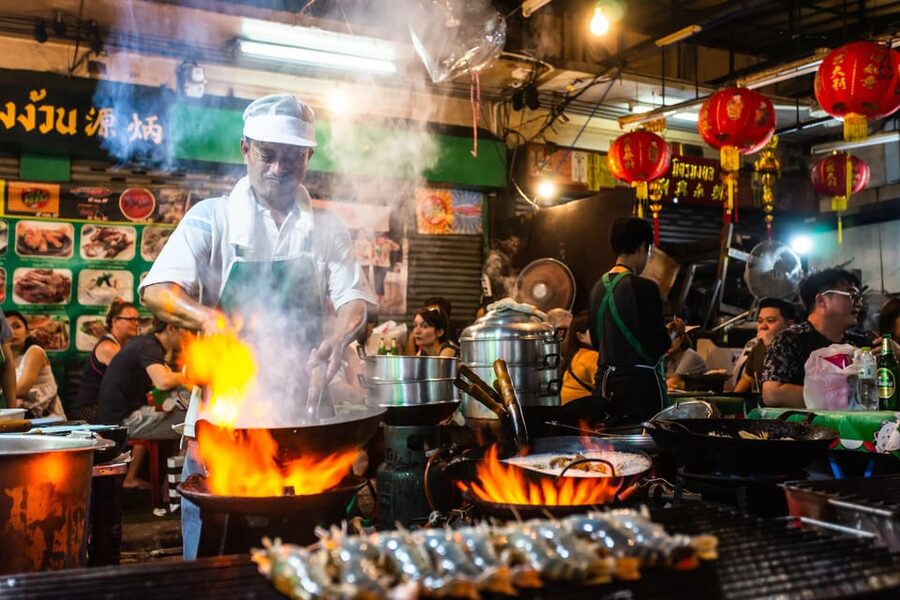
You will also taste Pad Thai, which might sound like the kind of dish you already know. That is exactly why it can work on this tour. In a Chinatown setting, familiar foods can feel slightly different in spice level, noodle texture, and topping choices, because vendors cater to a local crowd.
More importantly, you get this dish in the middle of a guided route where other items like dumplings and Chinese desserts set up the context. You start noticing patterns, like how sweet-salty balance and noodle seasoning fit into the Thai street food style while still matching the surrounding Chinese influences.
If you have dietary restrictions, you should ask the guide in advance. The tour includes food and drinks, but the exact offerings can vary by evening. The data does not list vegetarian or halal guarantees, so you will want to confirm before you join.
Deeper into Yaowarat after dark

Cold Chinese Desserts: A Smart Mid-Walk Break
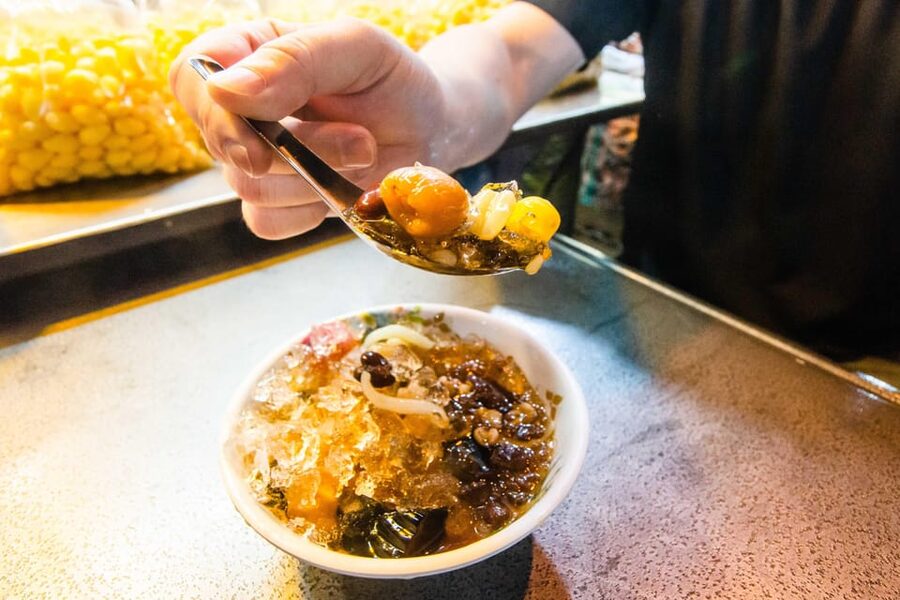
After you fill up on savory food, the plan includes dessert, including cold Chinese desserts. This is a practical move in Bangkok’s heat and humidity, even in the evening. It also gives your palate a reset right before the shrine walk.
Cold desserts in Chinatown often feel lighter than Western-style sweets because they can be more about texture, coconut or bean flavors, and subtle sweetness. Even if you are not usually a dessert person, this stop is worth paying attention to because it rounds out the flavor map of Thai-Chinese street food.
If you are photographing as you go, plan your shots right here. Dessert portions tend to be visually interesting, and you get a calmer moment than during the busiest stall comparisons.
The 20:30 Walk to Old Chinese Shrines
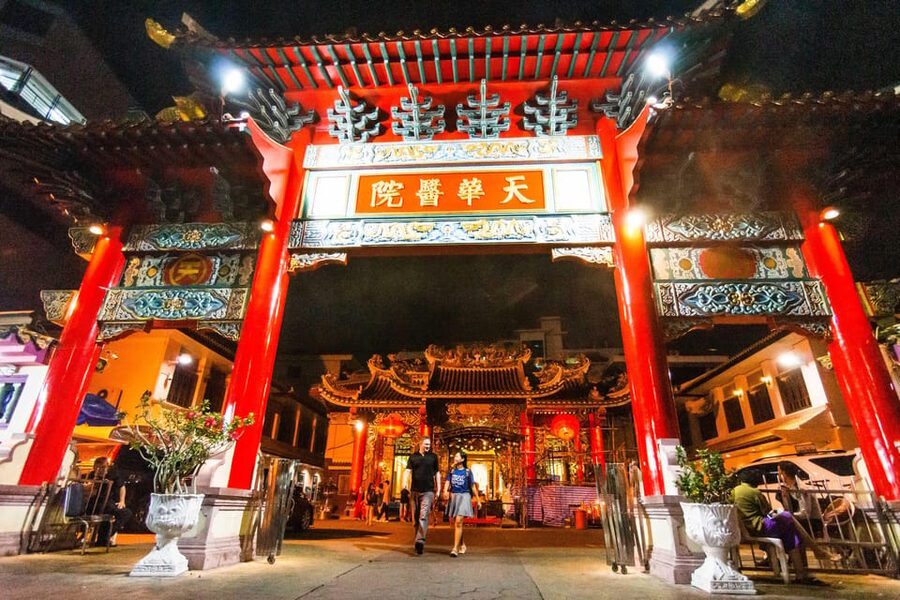
After 20:30, the tour shifts from pure eating into a cultural walk. You go along the road in Chinatown to see people’s local life, then you visit an old Chinese shrine. This part is listed as 30 minutes at Guan Yin Shrine, which makes it a compact add-on rather than a long detour.
This is valuable for two reasons. First, it helps you understand why Chinatown’s food culture exists in the first place. Street food is not floating in space, it is tied to community life. Second, it gives you something different than another series of shops and tasting lines.
Guan Yin Shrines are associated with compassion imagery in Chinese traditions, and in Chinatown they function as real community spaces rather than just photo backdrops. You do not need a deep background to appreciate the setting, but it helps to go in with curiosity. When the guide explains significance, you get more than sightseeing.
One more practical note: the evening timing means temples and shrine areas may be darker and quieter than the food stalls. Bring your phone light if you need it, and keep your pace relaxed. Your group will still need to walk back toward the meeting point when the tour ends around 21:30.
Price and Value: Is $46 Reasonable for 2 Hours?
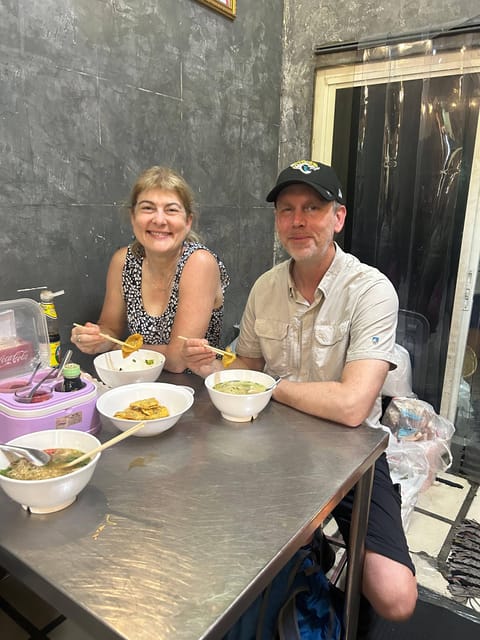
The price is listed at $46 per person for a 2 hour tour, with food and drinks included, plus an English tour guide, travel insurance, and an admission/activity fee. Hotel pickup is not included.
Is it good value? For street food tours, value often comes from three things: how many tastings you get, whether drinks are included, and how much the guide helps you navigate. Since food and drinks are covered, you are buying convenience and structure, not just a snack budget. You are also paying for a route that saves you from guessing where to go in a place with many stalls and restaurants.
Two things to watch for at this price point:
1) Communication quality: One review reported that the guide, Ken, could barely speak English and understood almost nothing of what the person asked. If you rely on the guide to connect food to stories, this can be a dealbreaker for some people.
2) Time loss from weather: In that same report, heavy rain led to cutting the tour short after 1.5 hours. If you are going on a rainy week, it is wise to be mentally flexible. Shorter time can reduce the number of tastings you get, even if the listed plan says 2 hours.
If you are a confident self-guided Chinatown walker who simply wants good food, you might find other ways to eat cheaper. If you value guidance, included tastings, and cultural context, this price can feel fair.
Guide and Group Dynamics: Private Group Pros and Real Risks
The tour is listed as a private group, which usually helps with pacing. Instead of getting shoved into a crowded conga line of strangers, you are more likely to get the chance to ask questions. A private group can also mean the guide can adjust based on how your group is doing with spicy food or walking speed.
But the past review rating of 2 out of 5 highlights a key risk: the guide’s English level. When a guide struggles to understand questions, the tour can still deliver food, but you lose the point of a guided story-driven experience.
Here is how I’d protect yourself before booking. Send a clear message in advance if you have food questions or need specific language support. And if English explanation is important to you, consider checking what language support is offered and how it is described.
Also, the tour is 2 hours, so it is not a long commitment. If you only have one evening and you want a structured introduction to Chinatown, this format can work well.
Who This Tour Fits Best
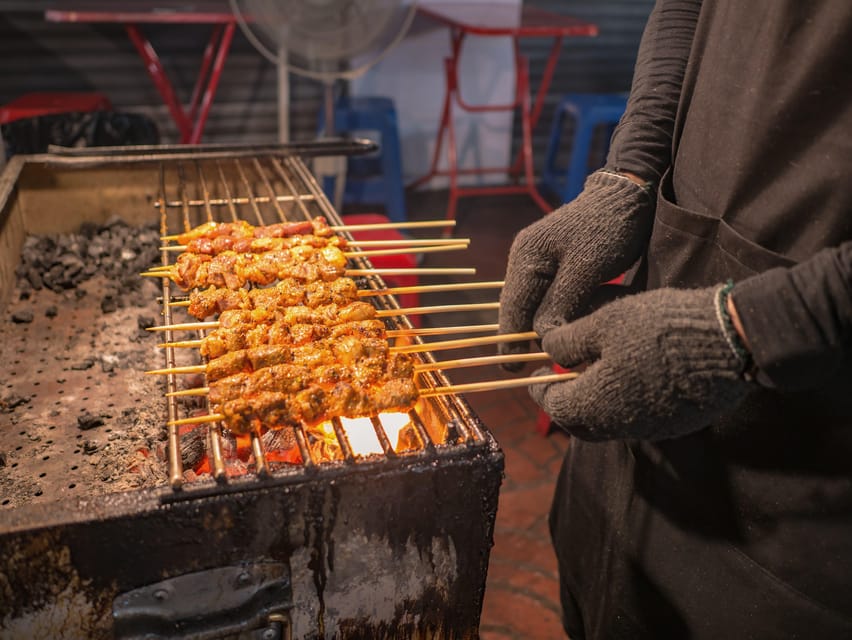
This street food tour is a strong match if you:
- Want Thai-Chinese fusion food in Yaowarat without spending time researching stalls.
- Like eating while learning quick stories behind dishes.
- Prefer a short, focused evening plan around 19:00 to 21:30.
- Are okay with an outdoor walking component, plus a shrine visit.
It may be less ideal if you:
- Need very detailed English interpretation from your guide every step of the way.
- Are traveling in heavy rain season and cannot adjust if time gets cut.
- Want a strict schedule with no flexibility.
If you already plan to explore Chinatown on your own later, you can treat this as your “first orientation” night. It sets your bearings fast for where the best street food rhythm is, and it gives you at least one cultural anchor stop at Guan Yin Shrine.
Should You Book This Chinatown Street Food Tour?
Book it if you want a guided, food-and-drinks included introduction to Bangkok’s Yaowarat Thai-Chinese scene, and if shrine context matters to you. The 2 hour timing is perfect for a single evening, and the dish list, especially dumplings and grilled pork, is a solid foundation for sampling without planning.
Skip or be cautious if guide communication is a top priority for you. One past booking had an English issue with the guide (Ken), and that traveler also had the tour shortened due to heavy rain. If you are the kind of person who needs explanations to make the experience worth it, send questions to the operator before you go and be ready for weather changes.
If you do book, come hungry, wear shoes for uneven sidewalks, and keep the evening flexible. Chinatown rewards curiosity, and this tour gives you a clear route to start tasting it right away.
FAQ
Where does the tour meet?
The meeting point is Wat Mangkon MRT Station, Exit 1.
How long is the tour?
The duration is 2 hours.
What’s included in the price?
Food and drinks are included, along with an English tour guide, travel insurance, and an admission or activity fee.
What is not included?
Hotel pick up is not included.
What languages are the guides?
The tour guide languages are English and Thai.
Is the tour cancellation flexible?
Yes. You can cancel up to 24 hours in advance for a full refund.
Is the tour wheelchair accessible?
The tour is listed as wheelchair accessible.
More Tour Reviews in Bangkok



Deeper Into Yaowarat
Eat Bangkok: More Street Food

Just In: Fresh Bangkok Reviews

Bangkok Food & Street Eats, compared.
 ★ 4.9Backstreets Food Tour with 15+ TastingsFrom $622,880 reviews
★ 5.0Bangkok Backstreets Food Tour with 15+ TastingsFrom $591,926 reviews
★ 4.9Backstreets Food Tour with 15+ TastingsFrom $622,880 reviews
★ 5.0Bangkok Backstreets Food Tour with 15+ TastingsFrom $591,926 reviews
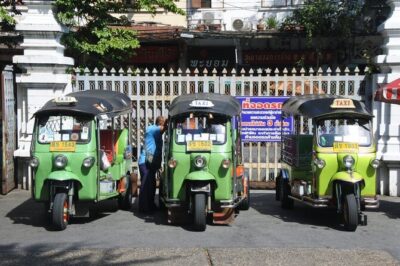 ★ 4.4Michelin Guide Street Food Tour by Tuk TukFrom $201,274 reviews
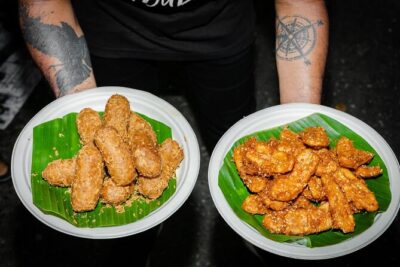 ★ 5.0Old Siam Bangkok Food Tour with 15+ TastingsFrom $59867 reviews
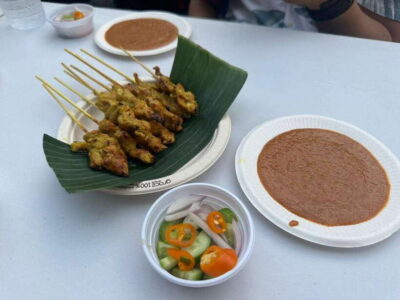 ★ 4.9Bangkok Authentic Tasting Thai-Chinatown Walking Food TourFrom $43852 reviews
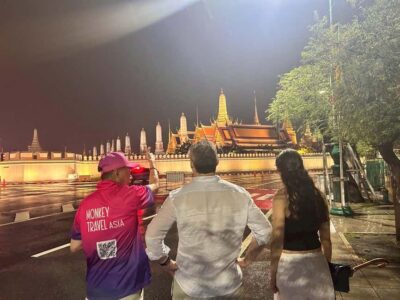 ★ 4.3Tuk Tuk Adventure Chinatown Michelin Food & TemplesFrom $18725 reviews
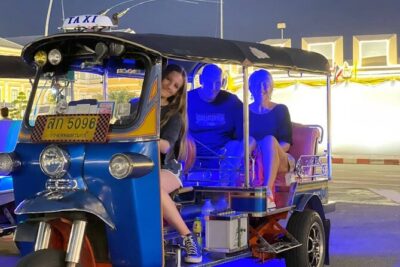 ★ 5.0Bangkok Tuk-Tuk Tour by Night with Chinatown Street Food MealFrom $40635 reviews
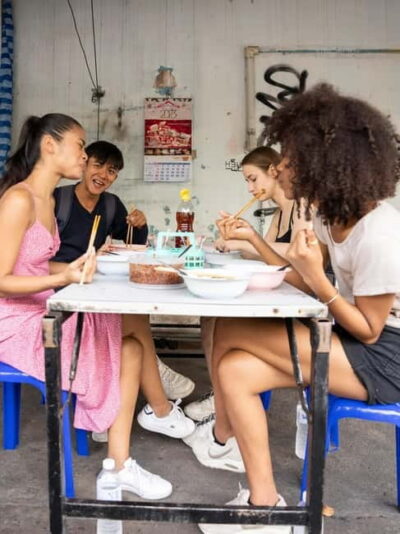 ★ 4.9Must-Try Hidden Bike & Food ExperienceFrom $59613 reviews
Browse the lists this tour appears in