Review · BANGKOK FOOD & STREET EATS
Bangkok by Night Food Tour with 10+ Tastings in Chinatown
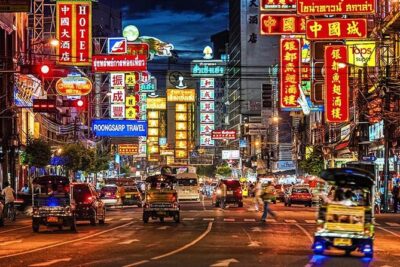
Chinatown at night makes you hungry fast. This small-group walk mixes 10+ tastings with real neighborhood context, from papaya salad and spicy basil to sweet sesame dumplings. I also like that the food comes with ordering help, so you feel confident when the streets get chaotic. One watch-out, some parts of the route go through major malls and a museum, so if you want only street stalls the whole time, plan your expectations.
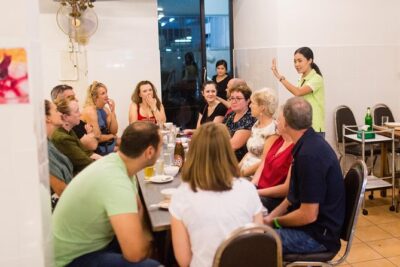
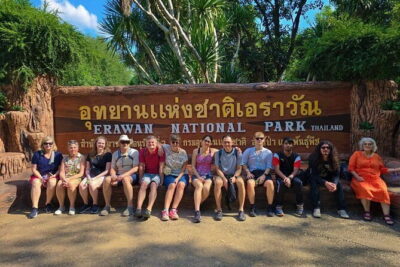
You’ll be with a group of 12 max, and the pacing is designed for eating, not rushing. Guides you may meet, like Jan and Ton, are repeatedly praised for keeping the group moving and turning each stop into something you can actually use later in Bangkok. The tour also runs without hotel pickup, so you’ll need to get yourself to the meeting point.
Key Things I’d Highlight Before You Go

- 10+ tastings across savory and sweet, including dumplings, buns, noodle soup, satay, fruit, and black sesame sweets
- Small-group size (12 max) for easier navigation through busy streets
- Street-food confidence that makes it less scary to try what you cannot read on menus
- A secret dish included on every tour night, so you get at least one surprise bite
- Real cultural stops in the Chinatown area, with temple-style activities described in guide-led storytelling
- Walking-focused evening with multiple stops, plus an itinerary that can shift with weather and crowds
Bangkok by Night: A Small-Group Street Food Plan
This tour is built for one simple goal, help you eat Bangkok food like you know what you’re doing. The best street-food cities are not just about flavor. They are about knowing where to stand, when to order, and what to get when the stall has a dozen options and your brain is blank from jet lag.
That’s where the guide matters. You’re not left to wander Chinatown alone and hope for the best. Instead, the route is structured so you hit a sequence of stalls and dishes that cover different textures and flavors, from sour and spicy (papaya salad) to salty-savoury comfort (noodle soups) and sweet finishes (black sesame in ginger tea).
The other big plus is that this is not a huge crowd event. With a limit of 12 people, you can actually hear the explanations at each stop. You also get more “side-street energy” because the guide can steer you around the densest bits.
The trade-off is that you should expect a walking evening. You’ll be stopping often, but you’re still moving through the city. If you’re not a fan of sidewalks, crossings, or night crowds, this might feel like more work than food-only alternatives.
Still hungry? More woks, stalls and night-market plates
- Bangkok: Backstreets Food Tour with 15+ Tastings
★ 4.9 · 2,880 reviews - Bangkok Backstreets Food Tour with 15+ Tastings
★ 5.0 · 1,926 reviews - Bangkok: Michelin Guide Street Food Tour by Tuk Tuk
★ 4.4 · 1,274 reviews
Price and What $46.99 Buys You in Real Terms

At $46.99 per person, you’re paying for three things at once: access, guidance, and portion size. If you bought street food on your own, you could technically spend less, but you would likely miss the full range of dishes that this tour serves and the local ordering tips that prevent wasted stops.
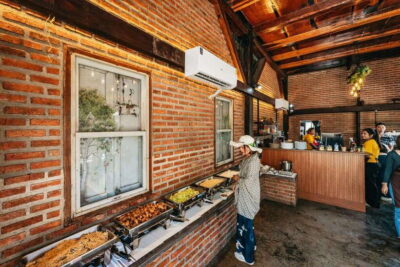
Here’s what “included” really means on your plate. You’re set up to try a lineup like spicy basil chicken with jasmine rice, shrimp dumplings, steamed buns with red pork, papaya salad, satay with peanut sauce, duck noodle soup, black sesame dumplings in ginger tea, and a seasonal fruit course. On some days, the menu rotates to include options like classic spicy basil stir-fry, stewed pork knuckle with rice, or roll noodle soup with pork belly.
And then there is the wildcard, the exclusive Secret Dish. Since you do not choose it, you get less decision fatigue and more chance of a memorable surprise.
One more value factor is time. A good food guide is saving you from the slow part of travel: figuring out what’s safe, what’s popular, and what’s worth the line. The tour is also around three hours, so it fits cleanly into a first or second night in Bangkok.
What is not included: hotel pickup or drop-off. So your cost is lower than tours that add logistics, but you need to handle your own arrival at the meeting point.
Come Hungry: The Tastings That Build a Bangkok Food Map

This tour is not just eating random items. It’s teaching your palate the logic of Thai flavors. You try dishes that represent different flavor categories, so you start recognizing patterns rather than collecting a pile of one-off bites.
Savory starters that set the tone
Expect dishes like shrimp dumplings and steamed buns filled with red pork. These are the kind of comfort foods that help you settle in quickly. They also let you compare textures, from soft bun dough to the slight chew of dumpling skins.
Then you get papaya salad, often the sour, spicy, crunchy heart of many Thai meals. If you like balancing heat with tang, this is the kind of dish that makes street food feel intelligent, not random.
Deeper into Yaowarat after dark
Spicy basil and Thai noodle comfort
Spicy basil shows up in different forms, including spicy basil chicken with jasmine rice and, on certain days, classic spicy basil stir-fry. This matters because it’s a recognizable signature flavor. Once you’ve tasted it here, you’ll know what to look for later in Thailand.
On the noodle side, you may try duck noodle soup or roll noodle soup with pork belly. Noodles are a travel-friendly choice because you can eat them without needing a full sit-down meal structure.
The sweet finish that changes the mood
You also get a sweet course with black sesame dumplings in warming ginger tea. Ginger tea is a very Bangkok-style ending, warm enough to feel cozy even on a humid night. There’s also a seasonal fruit component in the lineup, which helps reset your palate before the final bite.
One dessert mentioned in a tour night experience is banana roti with chocolate sauce. You might see sweets vary night to night, and that’s normal for a tour that adapts to what’s available.
Alcohol and coffee, if offered on the night
The overall tour description includes Thai coffee and Thai beer as part of the experience. Availability can shift by route and vendor timing, but the intent is clear, you’re not just tasting food, you’re also tasting the local drink culture that pairs with street snacks.
Meeting Point and How to Prepare for a 3-Hour Walk

Your meeting point is Hua Lamphong Rong Mueang, Pathum Wan, Bangkok 10330, Thailand. The tour ends back there, so you’re not stuck figuring out a complicated second location.
This is near public transportation, which helps. Still, plan to arrive early enough to find the exact spot without stress. The tour is short at about three hours, so late arrivals can throw off the rhythm of tastings.
Practical prep:
- Wear comfortable shoes. You are on foot through multiple areas.
- Come hungry, not just hungry-ish. With 10+ tastings and multiple courses, you will fill up.
- If you have dietary needs, message in advance. The tour notes you can contact the provider to help them cater the best they can.
One street-safety note from past experiences: at times, the group felt like it was dealing with heavy traffic. That’s part of Bangkok, and you’ll usually be escorted in a way that keeps things moving. If you are very nervous about crossing streets, this is a real consideration.
MBK Center: A Mall Stop That Works as a Night Reset

MBK Center is a large shopping mall in Bangkok with eight storeys and roughly 2,000 shops and outlets. Admission is free, and you’ll spend about 30 minutes here.
Why would a food tour include a mall? Because Bangkok nights are not a straight line. Before you go into denser Chinatown streets, it helps to have a calmer checkpoint. Malls also give your group a place to regroup, check in with the guide, and reset your energy before the street-food intensity.
Drawback to consider: if you came for a Chinatown-only street stall marathon, a major mall can feel like a detour. Think of it as an orientation stop, not a foodie destination by itself.
Still, MBK is useful context. It’s one of the places where you can quickly understand how Bangkok mixes old neighborhood energy with huge consumer spaces.
Asiatique The Riverfront: Changing the Scene Near the Chao Phraya

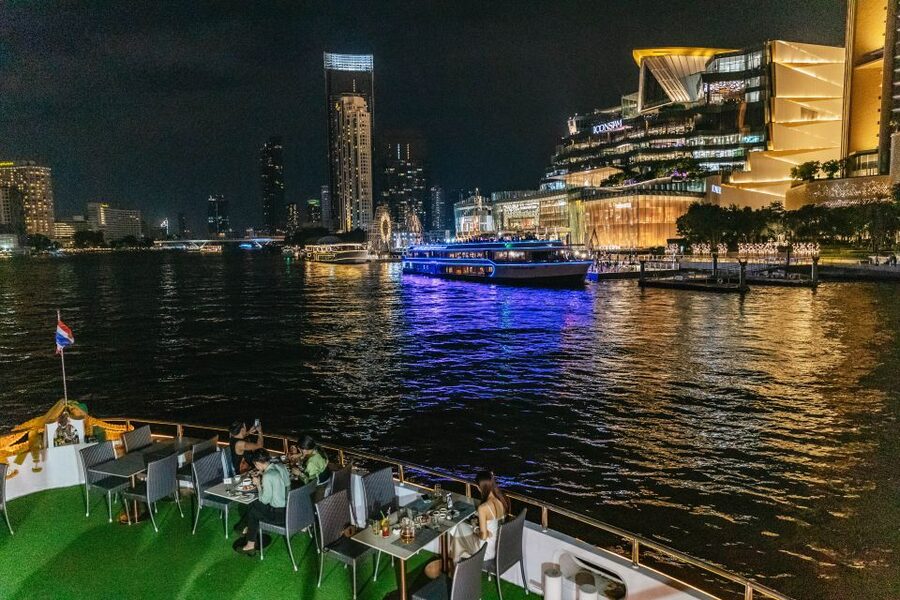
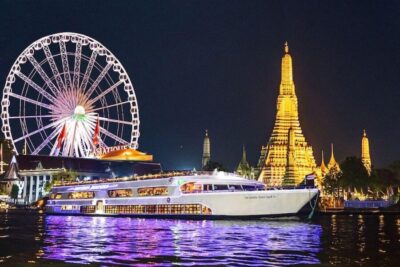
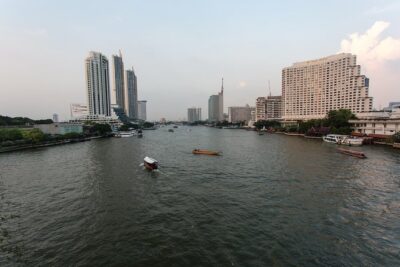
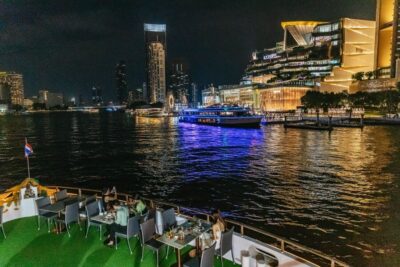
Asiatique The Riverfront is an open-air mall located on the former docks of the East Asiatic Company. It faces the Chao Phraya River and Charoen Krung Road, with about 30 minutes on the schedule.
This is a nice contrast stop. A riverfront setting can make the evening feel less pressured than the densest alleyways. You also get that shift in Bangkok style, from commerce and streets to more open-air movement where you can breathe, take a photo, and watch the night flow.
Possible drawback: it can add time that does not feel directly connected to Chinatown food. If your priority is only street stalls, you may feel the schedule pacing before you hit the heaviest eating segments.
But as a travel tactic, it works. You get a view and a pause, then you’re ready to tackle Chinatown with better stamina.
Chinatown Food Focus: How the 10+ Tastings Become a Street-Food Education

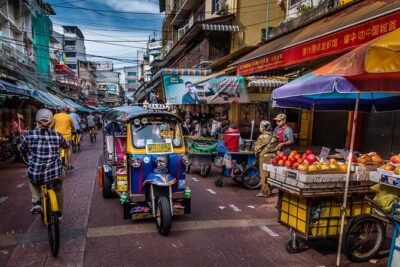
This is the heart of the tour. Chinatown in Bangkok is one of the largest in the world and today it functions as a hub of Chinese culture, plus it’s especially known for food.
If you’ve ever stood in a Thai market and felt unsure about what you can safely eat, this is where the guide role earns its money. You’re guided to stalls and dishes, so you’re not playing guessing games with unfamiliar names or complicated menus.
This is also where cultural context can show up in a meaningful way. In experiences with guides like Jan, temple-style activities and local religious customs were included, like using fortune sticks and learning how to fold a lotus flower. Another guide mentioned, Ton, is described as having a background connected to monastic life and Buddhism, which changes how the cultural stops feel compared with a simple photo walk.
The food side of Chinatown on this tour typically includes highlights from the included list, like:
- shrimp dumplings
- steamed red pork buns
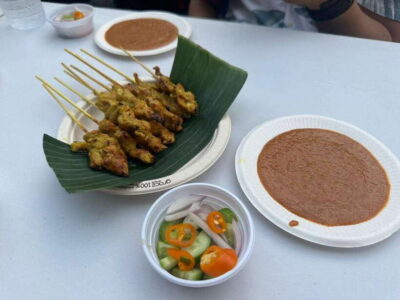
- pork or chicken satay with peanut sauce
- duck noodle soup
- papaya salad
- plus more savory bites and a dessert finish
What you should expect in your body: you’re eating enough that by the later stops, you’ll slow down. That’s normal. The tour is designed so portions add up to full satisfaction.
One small downside that can matter: some people prefer more strictly street-level food time. If you want only alley-stall eating, note that the route can mix in other stops and sit-down moments depending on the night.
Siam Paragon: The Modern Bangkok Contrast Stop

Siam Paragon is one of Thailand’s largest malls, and the tour schedule includes about 30 minutes here. Admission is free.
This stop is mostly about contrast. After Chinatown, you see a very different face of Bangkok. It helps you understand that the city’s food story does not only live in alleys. It also lives in how people shop, gather, and define modern taste.
Drawback: for many food-first travelers, a high-end mall can feel like a visual pause rather than part of the meal. If you already know you love street food, this stop may feel like time between bites.
Still, it can be a useful mental reset. You walk less in a climate-controlled environment, then you’re ready for the next cultural neighborhood.
Bang Rak and Its Marriage-Registration Story
Bang Rak is a district name tied to the idea of a village of love. Today it’s known for marriage registration, especially around Valentine’s Day, and you’ll spend about 30 minutes here.
Why is this relevant on a food tour? Because food is not only about what you taste. It’s also about how people live. Bang Rak adds a slice of daily Bangkok life that you would never get from a food-only map.
Also, it helps stretch the evening. You’re not stuck in one type of environment. The walk changes rhythm, and that makes the night more manageable.
Potential drawback: this is not a food stop in the way Chinatown is. If you booked for pure tastings nonstop, you might want the next meal segment as soon as possible after this.
Jim Thompson House: A Culture Break Before You Head Back
Jim Thompson House is a museum that houses the art collection of Jim Thompson, an American businessman and architect. You’ll have about 30 minutes here, and admission is free in the tour context.
On an evening when your stomach is already full of spicy basil and dumplings, this kind of stop can feel like a palate-cleanser for your brain. It’s not about eating. It’s about understanding a different layer of Bangkok’s identity.
If you like seeing how culture gets displayed, this helps. If you want only food, the museum segment might feel like extra. But the museum is also a good way to break up a nonstop walking evening, which can matter when Bangkok nights are humid or when crowds are dense.
Guide Power: Why Jan and Ton Get Mentioned So Often
Two guide names come up again and again in tour experiences, Jan and Ton. That matters because their style seems to define the whole vibe.
- Jan is described as fun, communicative, and good at navigating busy areas, including side streets to reach the next stop faster. She’s also credited with taking plenty of group photos and videos, and in one case helping adjust when rain started.
- Ton is described as taking cultural context seriously, including a monastic connection and Buddhist knowledge that shaped how the temple part of the route landed. Ton also helped with group photos.
Even if your guide is different, the pattern is consistent. The guide is not only handling logistics. They’re translating what you’re tasting into something you can remember. That is why people keep praising the tour as an introduction to Bangkok through food and neighborhood stories.
Who Should Book This Night Food Walk, and Who Might Want Another Option
Book this if:
- you want 10+ tastings in a compact three-hour window
- you like street food but want a guide to handle ordering and pacing
- you want a mix of food and cultural context, not only stalls
- you’re traveling with a small group feel, since the tour max is 12
You might want to think twice if:
- you only want Chinatown alley food with no other stops, since the route includes major landmarks and malls
- you do not like walking or moving through crowded areas at night
- you are very sensitive to spicy flavors and have not arranged dietary accommodations in advance
If you have dietary restrictions, make the effort to contact in advance. The tour states you can reach out so they can cater as best they can.
Should You Book This Bangkok by Night Food Tour?
If your goal is to leave Bangkok with more than photos, this is a smart pick. The price feels fair because you’re getting a full sequence of dishes, including classic Thai staples like papaya salad, spicy basil flavors, noodle soups, satay, dumplings, and a warm sweet ending.
The main decision point is your tolerance for variety in the route. This is not a pure Chinatown crawl. It’s a Bangkok night loop that uses malls and a museum as in-between resets.
If that trade works for you, you’ll likely love this. If you want the most intense street-food focus possible, you might prefer a tour that stays strictly in the densest stall areas for the full three hours.
FAQ
How long is the Bangkok by Night Food Tour?
It runs for about 3 hours.
How much does it cost?
The price is $46.99 per person.
How many tastings will I get?
The tour is described as a Bangkok by Night food tour with 10+ tastings.
Where does the tour start and end?
It starts at Hua Lamphong Rong Mueang, Pathum Wan, Bangkok 10330, Thailand, and ends back at the meeting point.
Is hotel pickup included?
No, hotel pickup and drop-off are not included.
What food is included?
Included items include things like shrimp dumplings, steamed buns with red pork, Thai papaya salad, satay with peanut sauce, duck noodle soup, black sesame dumplings in ginger tea, and seasonal fresh fruit, plus an exclusive Secret Dish.
Can the menu change?
Yes. The itinerary and menu can change based on locations’ availability, weather, and other circumstances.
Are dietary requirements accommodated?
You should contact the provider in advance for dietary requirements so they can cater as best they can.
Is the tour group size limited?
Yes. The maximum is 12 travelers.
Are pets allowed on the tour?
No, pets cannot be accommodated on the food tours.
More Tour Reviews in Bangkok
Deeper Into Yaowarat
Eat Bangkok: More Street Food
Just In: Fresh Bangkok Reviews
Bangkok Food & Street Eats, compared.
★ 4.9Backstreets Food Tour with 15+ TastingsFrom $622,880 reviews
★ 5.0Bangkok Backstreets Food Tour with 15+ TastingsFrom $591,926 reviews
★ 4.4Michelin Guide Street Food Tour by Tuk TukFrom $201,274 reviews
★ 5.0Old Siam Bangkok Food Tour with 15+ TastingsFrom $59867 reviews
★ 4.9Bangkok Authentic Tasting Thai-Chinatown Walking Food TourFrom $43852 reviews
★ 4.3Tuk Tuk Adventure Chinatown Michelin Food & TemplesFrom $18725 reviews
★ 5.0Bangkok Tuk-Tuk Tour by Night with Chinatown Street Food MealFrom $40635 reviews
★ 4.9Must-Try Hidden Bike & Food ExperienceFrom $59613 reviews
Browse the lists this tour appears in